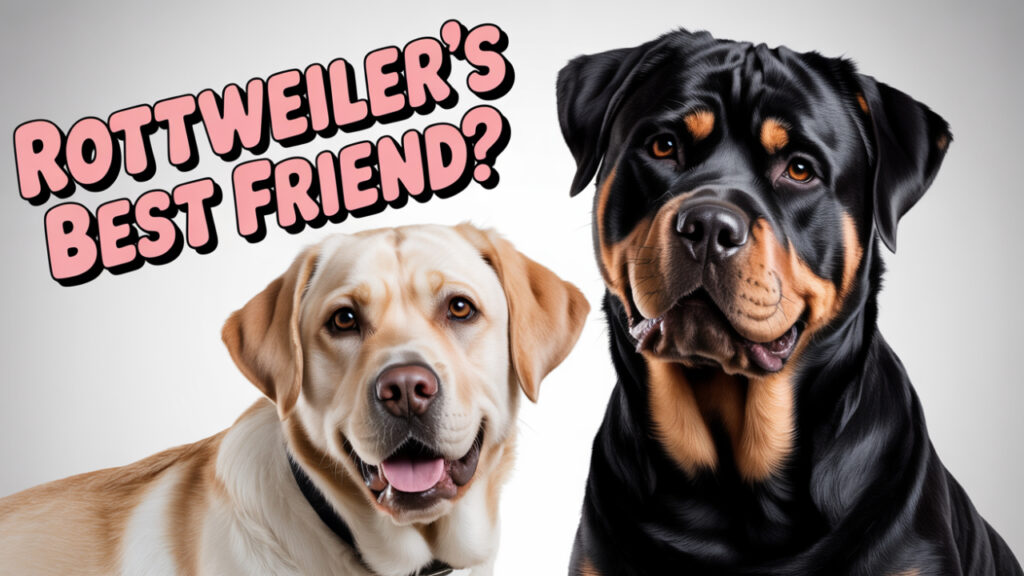
The best companion dog for a Rottweiler is one that can match its strength and energy while providing a balanced temperament. Breeds such as Labrador Retrievers and German Shepherds are commonly suggested as ideal companions because of their amiable temperaments and playfulness. They can help balance out the Rottweiler’s protectiveness with friendliness. Knowing the size and activity level of both breeds is key in making sure they’re a good fit. Once they’re properly introduced and trained, the two can really form a bond. We’ll explore what makes these breeds the best companions for Rottweilers and provide tips for fostering a loving bond.
Understanding Your Rottweiler First
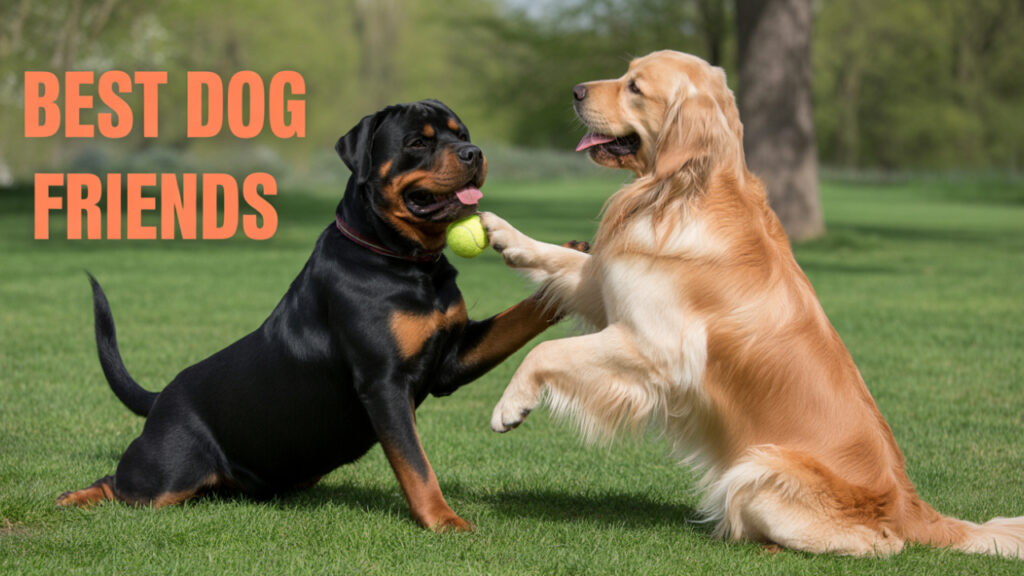
To pick the optimal companion to a Rottweiler, first you have to understand this breed’s unique qualities. Rottweilers are loyal, energetic, playful and social. Knowing these traits will help you find your rottweiler a compatible companion.
Temperament
Rottweilers are incredibly loyal, making them faithful family companions. They bond deeply with their families and can be protective watchdogs. They can be aloof with strangers, which is why proper introductions are important. Initial socialization, in particular, assists Rottweilers in determining who are their allies and who are their enemies.
Their smarts are another hallmark. Rottweilers thrive on regimented training and mental stimulation, which keeps them engaged. A well-trained Rottweiler is not only obedient but more comfortable. It’s important to know them first and foremost as protectors, particularly of their ‘pack’ which they often view as family, and this can impact their behavior around other animals.
Energy Level
These pups are powerhouse pooches that need consistent physical and mental activity. For everyone to live happily under the same roof, prospective playmates need to be as energetic as Rottweilers. Long walks, fetch, and agility training will keep them physically fit and mentally stimulated.
Keeping an eye on energy is essential, as boredom can manifest itself into stressful chewing or barking. Taking time out to play with them regularly alleviates stress and strengthens a positive atmosphere.
Play Style
Mind, this is not to discourage interactive play. Make it fit the Rottweiler’s robust and playful nature. Toys that engage your dog physically and mentally are best. For example, puzzle toys can engage their minds, while tug-of-war encourages bonding.
Playdates with other compatible dogs are a great outlet for their social development.
Knowing how your rottweiler plays with different play styles helps you identify compatible playmates for a happy playtime.
Social Needs
Rottweilers live for socialization with both people and other dogs. Early socialization is key to producing a friendly companion and helping your dog cope with new situations.
Giving your Rottweilers the opportunity to encounter other breeds of dogs will help them become flexible.
- Take them to dog parks.
- Arrange playdates with friendly dogs.
- Attend training classes for social exposure.
- Visit pet-friendly events to meet various breeds.
What is the Best Companion Dog?

The best companion dog for Rottweiler really depends on a variety of factors such as temperament, energy level, and personality. Rottweilers are well known for their loyalty, intelligence and strong presence. Therefore, choosing a breed that pairs well with these characteristics can create a synergy within the home.
1. The Labrador Retriever
Labrador Retriever is the best Rottweiler companion. Their companionability makes them exceptional buddies, cultivating a cozy atmosphere. Labradors are very trainable, as are the Rottweiler’s, so their communication and training bond is strong.
Their silly mentality is so entertaining, so when you have two dogs you’ve got a big playtime party! Labradors are high-energy, aligning with the active nature of Rottweilers and making them excellent companions on outdoor escapades.
2. The Golden Retriever
Golden’s are my other favorite. Their desire to please creates great companionship, as they love to please their owners. This breed is mild in nature — it can temper the Rottweiler’s brute power, building a balanced home.
Because of their playful nature, they tend to be great playmates for Rottweilers, which makes for some really fun interactions. Golden Retrievers are fond of exercise, so they can keep pace with Rottweilers in outdoor workouts.
3. The German Shepherd
While German Shepherds have a lot in common with the Rottweiler, especially their loyalty and protective nature. This breed is intelligent, too, so you can train it as efficiently as you can a Rottweiler. Their high-energy personality means they can easily keep pace with a Rottweiler, meaning they’re excellent play buddies.
A German Shepherd and a Rottweiler can form a profound bond.
4. The Boxer
Boxers are such playful energizer bunnies, that they make excellent buddies for Rotties. Their loving nature pairs well with the devotion of Rottweilers to deepen the connection between the pair. Boxers need frequent exercise, which suits Rottweilers’ exercise requirements.
They play together interactively, which deepens the bond and makes sure both dogs have fun together.
5. The Bernese Mountain Dog
The Bernese Mountain Dog adds a sweet nature that encourages a soothing environment at home. Their amicability may smooth social interactions for Rottweilers. With their build and weight, Bernese Mountain Dogs jive with Rottweilers.
They can both enjoy joint activities, like hiking or fetch, creating a symbiotic relationship between the two breeds.
Why Breed is Only Half the Story
When considering the best companion for a Rottweiler, breed alone does not determine compatibility. Individual personality, sex pairing, and each dog’s age and history play significant roles. These factors contribute to their relationship dynamics, ensuring a harmonious home environment.
Individual Personality
Temperament counts. Rottweilers are confident and strong so it’s important to find a companion that matches them. Seek out dogs with nice, flexible dispositions – which can make the adjustment a little easier. For example, a laid-back Lab might offset a Rottweiler’s firecracker personality.
Think about how idiosyncrasies interact. The anxious dog can’t handle a Rottweiler’s dominance so he becomes stressed. Conversely, a friendly pooch can coax a Rottweiler out of his protective shell and into frolicking. Choose low-key dogs, if you can–this counteracts the Rottweiler’s exuberance and creates a more laid back household.
Opposite Sex Pairing
This dynamic can foster healthier social interactions since opposite sexes tend to have varying social signals and habits. For instance, a male Rottweiler may be less competitive with a female companion than another male.
Ideally, both dogs should be spayed or neutered to minimize the likelihood of behavior problems. This move is important because it can help avert any unnecessary territorial behavior and make introductions easier. Never leave the two dogs alone together at first. Positive reinforcement in these interactions can assist in building a strong bond.
Age and History
Making it easier to bond a Rottweiler with a younger dog. Puppies can be far more receptive to training from their senior canine companions. You still need to evaluate the history of both dogs for potential compatibility issues. A traumatized dog may require a slow and steady introduction to an assertive Rottweiler.
Older dogs can help but need a little patience during introductions. They could just be set in their ways, which would make it harder to adapt. Think about energy levels too — a rambunctious pup could give a lethargic older Rottie a good run around the backyard, sparking some fun play dates!
| Trait | Rottweiler | Potential Companion |
|---|---|---|
| Energy Level | High | Moderate |
| Temperament | Confident | Friendly |
| Socialization Skills | Moderate | Adaptable |
| History of Aggression | Rare | Avoidance Preferred |
Red Flags and Potential Mismatches
Some of the biggest red flags and mismatches when thinking about a companion dog for your Rottweiler. Few breeds might be a mismatch due to frailty, independence, or aggression. Knowing these things will help you make the right call for your Rottie’s soulmate.
Fragile Breeds
Rottweilers are notorious for being very strong and playful, which can sometimes be an issue with delicate dogs. Chihuahuas or Toy Poodles are simply too delicate to cope with a Rottweiler’s macho rough-housing. Their petite frame and slender build leaves them vulnerable to injury during passionate encounters.
Fragile breeds generally don’t cope with a Rottweiler’s energy level. A Rottweiler might inadvertently frighten a Bichon Frise, with its rambunctious play. So it’s important to emphasize hardy breeds, such as Beagles or Bulldogs that don’t mind a little roughhousing, and aren’t susceptible to injuries.
Highly Independent Breeds
Some breeds, including the Shiba Inu or Basenji, are notoriously independent. These dogs tend to be loners rather than pack animals, so they’re unlikely to tolerate a Rottweiler’s affection with anything but disdain. Independent breeds can be aloof, which clashes with the social nature of a Rottweiler, who craves interaction and companionship.
If you bring an independent breed into your home, the Rottweiler can become frustrated due to a lack of shared interest in play. Opting for more sociable breeds like Labradors or Goldens can improve the fit, giving both dogs something to look forward to during their time together.
Same-Sex Aggression
Same-sex aggression is another critical consideration when pairing dogs. Some breeds, particularly dominant ones like German Shepherds or American Bulldogs, may show territorial behavior towards same-sex companions. Signs of aggression can manifest during introductions or shared spaces.
It’s essential to monitor any aggressive tendencies when introducing same-sex dogs. The individual temperaments of both dogs play a significant role in predicting conflicts. To minimize the risk of aggression, favor opposite-sex pairings, as these combinations often reduce territorial disputes and foster a more peaceful environment.
How to Introduce a New Companion
This is a great process for a smooth integration.
Neutral Territory
- Choose a park or open field to first meet so that no one feels that the other is invading their territory. Selecting a neutral territory puts both dogs at ease and less inclined to act defensively.
- Let both dogs check the territory prior to meeting. This gives them a chance to get used to the environment and each other’s smells without actually being face-to-face.
- Keep an eye on body language to see if they’re comfortable with the introduction. Be on the lookout for any tension, such as raised hackles or growling.
- Have leashes on for control but let dogs ‘do their thing’. This is both safe and lets you step in if need be — at the same time, letting them be.
Parallel Walks
- Walk both dogs adjacent to one another to foster camaraderie without pressure. It helps establish a connection via joint experience, creating a positive atmosphere.
- Take it slow in order to help build positive associations between the dogs. A slower walk means they can smell the smells and each other without being hurried.
- Reward calm walking with treats and praise. Positive reinforcement can help both dogs link each other to good things.
- Slowly bring the dogs closer to one another as they feel more comfortable. This gives them the opportunity to establish trust gradually while staying calm.
Supervised Interaction
- Schedule brief, supervised play dates to test compatibility. Begin with short visits to see how they mesh.
- Step in if there’s any aggression to keep things safe. You need to act fast or the situation gets out of hand and becomes dangerous!
- Reward friendly dogs with positive reinforcement Rewarding good behavior helps establish great bonds.
- Let the interactions last longer and longer as the dogs get more comfortable. As they become more comfortable, increase the length of time they are together.
Gradual Integration
- Gently bring the new companion into your home. This reduces stress and enables both canines to acclimate.
- Give each dog their own space at first to alleviate tension. Different rooms provide each dog a secure escape while they get used to their new environment.
- Continue with slow sharing of common areas to develop a comfort level. Gradually combining common areas will assist them in getting used to one another.
- Supervise their play and interaction during the introduction process. Continuous monitoring is key to nurturing a good relationship down the road.
Creating a Harmonious Household
To establish a peaceful household as you welcome a companion dog to a Rottweiler. With the right approach, you can defuse potential tension and take advantage of their friendship — ultimately benefiting your entire multi-dog household. That means setting up distinct resources, regular training sessions, and promoting joint activities. So here are the tactics for making this happen.
Separate Resources
Feed separately to minimize resource guarding. Rottweilers are notorious food guards, so separate feeding areas for each dog can reduce the rivalry. Equally important is to give each dog his own toys. This avoids fights over stuff and lets each dog feel confident in their own belongings. Establish safe territories where each dog can withdraw. These provide coziness and solitude which are key for stress relief.
| Resource Handling Strategy | Rottweiler | Companion Dog |
|---|---|---|
| Feeding Area | Separate | Separate |
| Toys | Individual | Individual |
| Personal Space | Yes | Yes |
Consistent Training
Train both dogs using a common methodology. This promotes obedience and trains the dogs to obey commands as well. Give commands that both dogs comprehend, which makes communication easier and training clearer. Be sure to reward good behavior – repeatedly — to promote good habit formation. Frequent praise and treats are great incentives to get both dogs behaving well. Plan regular workouts to keep both dogs mentally stimulated. Mind-challenging activities encourage cooperation.
Shared Activities
Arrange shared activities to increase camaraderie. Whether it’s a hike or a playdate, both dogs get to experience one another’s company in a playful environment. Dog sports or training classes can encourage bonding through working as a team. These activities bond them together and get them some exercise. Promote interactive games which engage both dogs, such as fetch or tug-of-war. Marking accomplishments – like passing a training challenge – solidifies the connection with your Rottie. It’s this shared experience that forms the stronger bond.
Conclusion
Finding the right companion dog for a Rottweiler can make a big difference in their happiness and behavior. Knowing what your Rottie needs simplifies options. Think breeds that complement their energy and temperament. Check for good compatibility to prevent issues. Bringing a new dog home is a matter of patience. Make a good atmosphere for both dogs to flourish.
With the right approach you can carve out a happy household. Consider your Rottweiler’s personality and lifestyle. Do your homework, and don’t rush. A perfect fit makes both dog and owner happy. Begin today to discover a perfect companion for your Rottweiler!
Frequently Asked Questions
What is the best breed to pair with a Rottweiler?
My turn: breeds such as labradors, goldens and boxers are usually excellent companions to rottweilers. They have amicable temperaments and can keep up with the Rottweiler’s energy.
Are there any breeds to avoid with Rottweilers?
I would avoid very high prey drive breeds like small terriers or some herding breeds. These dogs can trigger your Rottweiler’s protector instincts.
How do I know if my Rottweiler will accept a new dog?
Keep an eye on your Rottweilers body language. If they show signs of stress or aggression, they’re not ready for a new companion. Make the introductions slowly and in controlled settings.
Should I consider a puppy or an adult dog?
Each has their advantages. Puppies can be raised alongside your Rottweiler whereas adult dogs may already have set personalities. Decide on your Rottie’s personality and energy before choosing.
How can I help my Rottweiler bond with a new dog?
Begin with brief, controlled meetings. With positive reinforcement such as treats and praise, encourage good behavior. Build up their time together as they acclimate.
What if my Rottweiler shows aggression towards the new dog?
If aggression arises, immediately separate the dogs. Ask a trainer! It’s important to correct aggressive behavior.
How much exercise do both dogs need?
Both Rottweilers and their companions need to exercise regularly, usually about 60 minutes a day. Modify according to age and health. Doing activities together can woven their bond and keep them in shape.

Gary Richter
Pet Nutrition Research Specialist
Gary Richter is a pet nutrition researcher and animal science specialist with over 15 years of experience in comparative animal nutrition studies. As the lead research analyst at PetVerdict, Gary focuses on translating complex nutritional science into practical guidance for pet owners.
Academic Background: Graduate studies at Huazhong Agricultural University
View all research articles →