
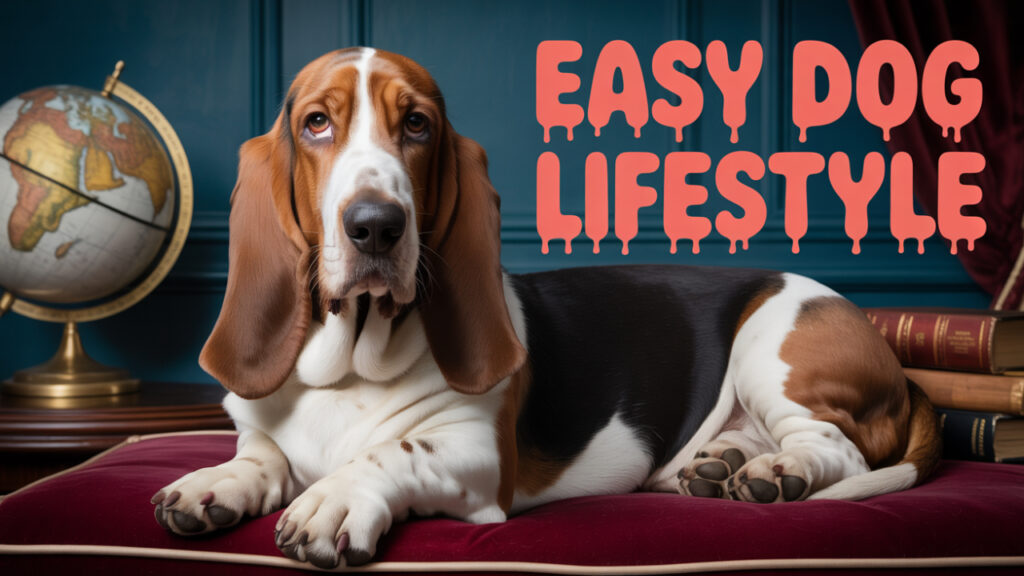
Does your dog require minimal exercise? Breeds like the Bulldog, Shih Tzu, and Basset Hound do well with shorter walks and love to lounge around the house. These pups tend to have easygoing personalities and can easily adjust to apartment life or more compact living environments. They do require attention and stimulation, and their exercise needs are easy to handle. Knowing what these breeds require can assist future dog owners in making educated decisions. We’ll explore a range of low-exercise breeds, understanding their unique traits and how to keep them content and fit, making sure they’re a good match for your lifestyle.
Top Dogs That Need Least Exercise

We’ve put together a list of the best top dogs that require the least exercise. These dogs can make the jump to apartment living, relieving the pressure of daily walks. If you know what to look for, these breeds can be very easy to identify.
1. The Apartment Companion
Little dogs like the Chihuahua, Boston Terrier, and French Bulldog thrive in small spaces. Their lower energy demands translate into happy dogs with a few short jaunts outdoors and some indoor playtime. Take the Chihuahuas for example. They’re pretty independent and will entertain themselves, so they’re ideal for time-poor owners.
Apartment living will be great for these breeds, as they tend to need the least time outside. A tiny apartment can’t stand in the way of their social needs. Regular engagement within the home helps to create that ever-coveted connection between dog and owner.
2. The Gentle Giant
Heavyweight breeds such as the Great Dane and Bernese mountain dog epitomize the gentle giant stereotype. They’re big, and they like to be couch potatoes. Their cuddly disposition makes them wonderful family dogs.
These breeds live quite well in relatively quiet environments and need less exercise than diminutive, hyper-active pups. A couple short walks daily keeps them healthy and still loving.
3. The Calm Couch Potato
Breeds such as the Basset hound and Bulldog have a very relaxed attitude. They love being couch potatoes and are not very active. A zen buddy at home does wonders for stress, which is why these pups are so irresistible.
The perfect couch potato breed habitat. These dogs will most likely do best in homes that favor calm energy.
4. The Retired Racer
Retired racing breeds, like Greyhounds, are a unique set of dogs that make really great couch potatoes. Once off the track, they become couch potatoes, needing minimal exercise. What is required are regular short walks for their health, which enables them to adapt to a calmer lifestyle.
Their docile temperament and affectionate personality are perfect for a pet. Greyhounds may be cuddly and love hanging with their owners, which makes them great pets.
5. The Regal Lapdog
Toy breeds like the Pomeranian and Japanese Chin are lapdogs that never fail to impress. These breeds are especially great for seniors or those with limited mobility.
The happiness they provide as loyal friends is priceless. Their diminutive build and affectionate personality make them ideal for anyone in need of a faithful companion.
Redefining “Low Exercise”

Low exercise requirements in dog breeds can differ widely, depending on breed traits and health factors. ‘Low Exercise’ Redefined Breeds such as the English Bulldog are frequently considered low-exercise. This is a subtle subject. Take the Bulldog for example. They might have a reputation for being couch potatoes, but consistent, moderate exercise is vital for their well-being. The trick is redefining what ‘low exercise’ means. These breeds might still need certain activities.
Physical Needs
| Breed | Daily Exercise Requirement | Ideal Activity |
|---|---|---|
| English Bulldog | 30 minutes | Short walks and gentle play |
| Basset Hound | 30 minutes | Leisurely strolls |
| Shih Tzu | 20-30 minutes | Indoor play and short walks |
Even low-exercise breeds need short walks daily. A brief 15- to 30-minute stroll keeps their physique in check and wards off obesity, which is a notorious pitfall with these breeds. Playtime is key to preventing weight gain. Playing interactive games can get them moving, but not overdoing it. Consistent vet visits are a must. They catch any potential health problems early, particularly in breeds predisposed to certain conditions.
Mental Stimulation
Mental exercise is essential for low-energy dogs. Something like puzzle toys or scent games can keep them mentally engaged without needing too much physical demand. Toys like treat-distributing balls or interactive games offer both entertainment and mental stimulation. Balancing their physical and mental needs is key. Giving them both kinds of stimulation encourages overall wellness and decreases the chance of behavior issues.
Social Interaction
Socialization is just as important for low-exercise dogs. Socialization with other animals and humans adds to their quality of life. Organizing fun playdates or group classes can provide social experiences without requiring intense activity.
- Arrange regular meet-ups with other dogs.
- Introduce them to various environments.
- Engage them in low-impact training sessions.
Friendship is essential to their soul. Knowing these pups flourish on connection enables owners to cultivate a more fulfilling environment.
Is This Dog Right For You?
Selecting a low-exercise dog is an exercise in self-awareness. Whether or not this is the right dog for you depends on your living situation, lifestyle, and family.
Your Home
How much the space and environment you provide accommodate a low-exercise dog. For example, size matters but Newfoundlands might do OK in a tiny apartment if they like to lounge. A cozy corner in your living area with space for a dog bed and some toys would be perfect.
A good home would be pet friendly, with furniture that resists wear and tear. Prepare a safe environment free of dangerous items. This establishes a protective environment where your dog can relax.
Your Lifestyle
See how your schedule matches up with owning a dog. Long hours at the office? Think chihuahuas; they are independent and can keep themselves busy during the day. On the flip side, if you have the hours to spare, breeds such as Cavalier King Charles Spaniels tend to be a good match, providing sweet companionship without requiring an abundance of exercise.
You need to strike a balance between work and family obligations. How will a dog fit into your hectic lifestyle? Making sure you can offer care and companionship is key to a happy pet owner connection.
Your Family
About: Is This Dog Right For You? Family dynamics are a big factor in selecting a dog. Is this dog right for you? Gentle breeds such as the French Bulldog and Boston Terrier are great family options!
Think about how a new dog will get involved in family activities. Walks or playtime help with bonding. Pre-pet family discussions can help ensure everyone is excited and prepared to care for the dog.
The Hidden Responsibilities
There’s a hidden obligation that comes with owning a dog, particularly these lazy ones who need very little exercise. These breeds can fit hectic schedules, but potential owners need to understand their dedication to the dog’s holistic health. That’s on top of routine vet visits, lifelong companionship, and recognizing his needs.
Weight Management
About The Hidden Responsibilities Here’s a checklist to help ensure proper weight management:
- Assess Body Condition: Regularly check your dog’s body condition score. A score between 4 and 5 out of 9 is ideal.
- Portion Control: Measure daily food portions based on the dog’s weight, age, and activity level. Seek your vet’s advice for specifics.
- Monitor Treats: Limit treats and consider their calorie content. Shoot for healthy options such as vegetables or low-calorie desserts.
- Regular Weigh-Ins: Schedule weigh-ins at least once a month to track weight changes.
Obesity can cause diabetes, heart disease, joint problems and more. Mindful eating and portion control can help you reduce these risks. In addition to green smoothies and vegetarianism, quality protein and the right fats are major keys to staying energized and healthy.
Joint Health
Joint care is crucial in low-exercise breeds. Inactivity can make joints worse, resulting in arthritis and pain. Light activity, such as brief strolls or play bouts, can assist in sustaining mobility and flexibility.
It turns out that proper nutrition is important for joint support. Search for dog foods that have added omega-3s and glucosamine that support joint health. Regular vet check-ups can help monitor any joint issues and intervene early if needed.
Grooming Demands
Even low-maintenance dog breeds need to be groomed regularly to stay clean and comfortable. Grooming needs can be very different between breeds. For example, short-haired breeds might require less brushing than long-haired breeds.
YOU need to have a grooming routine that works for you. This might be things like daily brushing, baths, and nail trimming. Daily care wards off matted fur, skin problems, and general cleanliness.
Beyond The Breed Stereotype
About Beyond The Breed Stereotype – Understanding High Energy Dogs I know what you’re thinking, you’re assuming that some are lazy and some are active solely by their breed. Personality, age, and background are the most important factors in a dog’s energy and exercise requirements. Highlighting them can assist prospective owners to do their homework.
Individual Personality
Personality really varies per dog regardless of breed. For instance, two labs could behave in opposite ways. One could be hyperactive and the other could be a couch potato. Dog temperament is important because it gives you an idea of their exercise requirements and how well they would fit in a home. This is especially crucial for prospective owners who should always have an opportunity to encounter the dog prior to adoption and sense their level of energy and ways of engaging. Training is a key factor, as a well-trained dog can transition more easily into a low-exercise lifestyle than one that has not been socialized.
Age Factor
Age plays a huge role in a dog’s exercise needs and energy. Puppies tend to be very energetic and require plenty of playtime, whereas adult dogs tend to calm down and adopt a more balanced routine. Senior dogs don’t need as much exercise, which is perfect for those who want a couch buddy. Sometimes adopting an older dog is the way to go. These pets need homes just as much. Their companionship can provide happiness and solace, showing that friendship knows no age limit.
Rescue Realities
Think rescue dogs if you’re looking for lazy buddies. Rescues provide all sorts of breeds and temperaments. By adopting, we have greater ability to seek out a dog that fits our lifestyle. Knowing a dog’s history and unique needs can place them with the perfect owner. There’s something beyond the breed stereotype to be savored in the heartwarming bond you share with your rescue pup, a bond that’s never-ending.
Breeds To Reconsider
Breeds to reconsider! Some dog breeds are more active than others and need a lot of exercise and are therefore not a good fit for a laid-back household. Knowing what breeds make this list can assist the potential pet owner in making an informed decision.
Specific Breeds
A few breeds that require more exercise are the Border Collie, Siberian Husky, and Jack Russell Terrier. These breeds are high energy and require frequent physical and mental stimulation. Take Border Collies, for instance, they are brilliant but flourish when they have jobs to do. Huskies instinctively run and need space to burn off steam. Jack Russell Terriers, despite their size, are impetuous and require play every day to keep them content.
Exercise Needs Table
| Breed | Daily Exercise Requirement |
|---|---|
| Border Collie | 1.5 to 2 hours |
| Siberian Husky | 1 to 2 hours | | Jack Russell Terrier | 1 hour | | Labrador Retriever | 1 hour | | Australian Shepherd | 1 to 2 hours |
Breeds To Think Twice About Each breed has different requirements and different activity levels. Take, for example, middle-of-the-pack breeds like the Labrador Retriever, which are typically perceived as a friendly and adaptable option that you can ‘let off the leash’.
Prospective owners should be honest about their capability to satisfy these exercise requirements. If your household is busy or low on space, you may want to reconsider those breeds’ energy needs. Consider the Bulldog or Basset Hound as examples of breeds with lower energy requirements. These dogs tend to be couch potatoes, needing less activity, so they are better for less active homes.
Bringing home a fur baby is a commitment, one that requires some level of understanding. By selecting a breed that fits your lifestyle and level of activity, you will set yourself up for a joyful and healthy relationship with your new canine companion.
Conclusion
It’s amazing how choosing the right dog can define your life. There are several breeds that require minimal exercise, so they can be wonderful friends for hectic schedules. Knowing each breed’s requirements aids you in selecting the perfect breed. Think about things such as disposition and maintenance. It’s important to understand that low exercise doesn’t mean low energy! A few dogs, however, still need to be exercised mentally. Once you bring a dog home, be prepared for the daily obligations of training and care. With the right plan, you can live a rich life with your furry companion. Be sure to explore and relate to various breeds. Your ideal dog is out there waiting to be welcomed into your world.
Frequently Asked Questions
What are some dog breeds that need minimal exercise?
Breeds like the Bulldog, Shih Tzu, and Basset Hound require little exercise. These dogs like their walks and playtime short but are otherwise fine living easy.
How much exercise do low-energy dogs need?
Low-energy dogs tend to require about 30 minutes of exercise a day. This can range from short walks to play sessions that keep them healthy without overwhelming them.
Are low-exercise dogs suitable for apartment living?
Indeed, many of the less-exercising dogs fare excellently in apartments. Their minimal exercise requirements render them perfect partners for compact living as long as they get a little interaction every day.
What should I consider when choosing a low-exercise dog?
Think about your lifestyle, living situation, and capacity to provide mental exercise. A dog whose exercise needs match your energy level will be a happier companion.
Do low-exercise dogs have health issues?
As with every dog, low-exercise breeds can suffer health problems if neglected. Routine vet visits and a healthy diet contribute to their overall health.
Can low-exercise dogs still be active?
For sure! They need less exercise, but they still love to play and engage with their minds. Keeping them entertained with toys and games will keep them healthy and happy.
How do I keep a low-energy dog mentally stimulated?
Keep their brains active with interactive toys, puzzles, and training. Short training sessions and socialization are great sources of mental stimulation.

Gary Richter
Pet Nutrition Research Specialist
Gary Richter is a pet nutrition researcher and animal science specialist with over 15 years of experience in comparative animal nutrition studies. As the lead research analyst at PetVerdict, Gary focuses on translating complex nutritional science into practical guidance for pet owners.
Academic Background: Graduate studies at Huazhong Agricultural University
View all research articles →