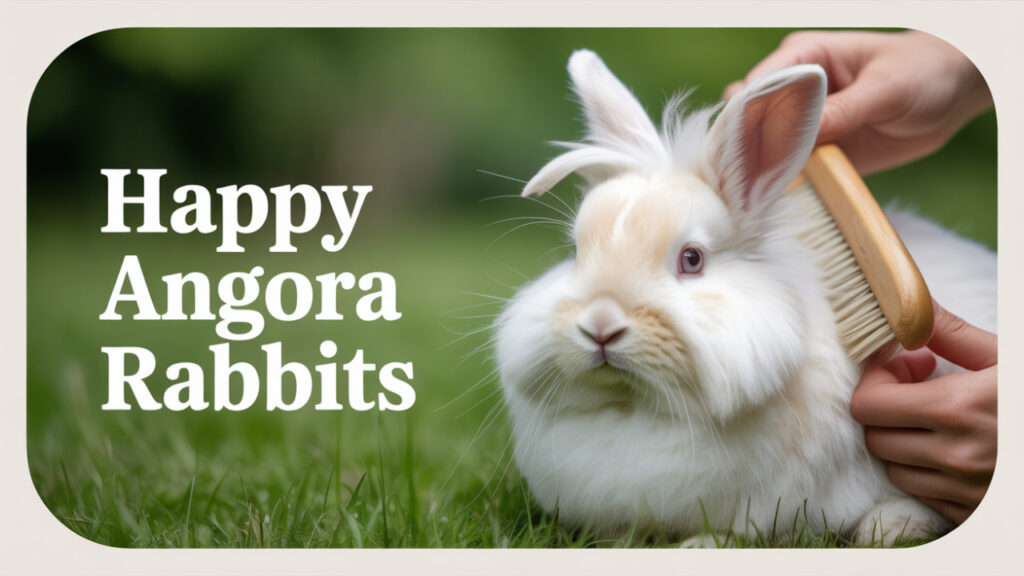
How to care for an angora rabbit. These rabbits have luscious, long, soft fur which needs to be brushed often to avoid mats and limit shedding. Feeding plenty of hay, fresh vegetables, and pellets keeps them healthy and their coat shiny. It’s crucial to provide a cozy environment with lots of room and stimulation. Routine health visits to the vet keep them in tip-top shape. Knowing their requirements will make tending to an Angora rabbit fulfilling. Here’s what you need to know about caring for an Angora rabbit.
The Angora Rabbit Care Essentials
Here’s what caring for an Angora rabbit requires. This encompasses daily grooming, a specialized diet, appropriate housing, health monitoring, and gentle handling.
1. Daily Grooming
They require daily grooming, which is critical for Angora rabbits with their long, luxurious fur. Owners should brush at least twice a week, though some rabbits will need daily grooming. For grooming, utilize combs and brushes meant for long-haired rabbits to avoid matting and tangling. During grooming, inspect for loose hair and debris, as cleanliness promotes a healthy coat. This time can be a bonding experience between the owner and rabbit.
2. Specialized Diet
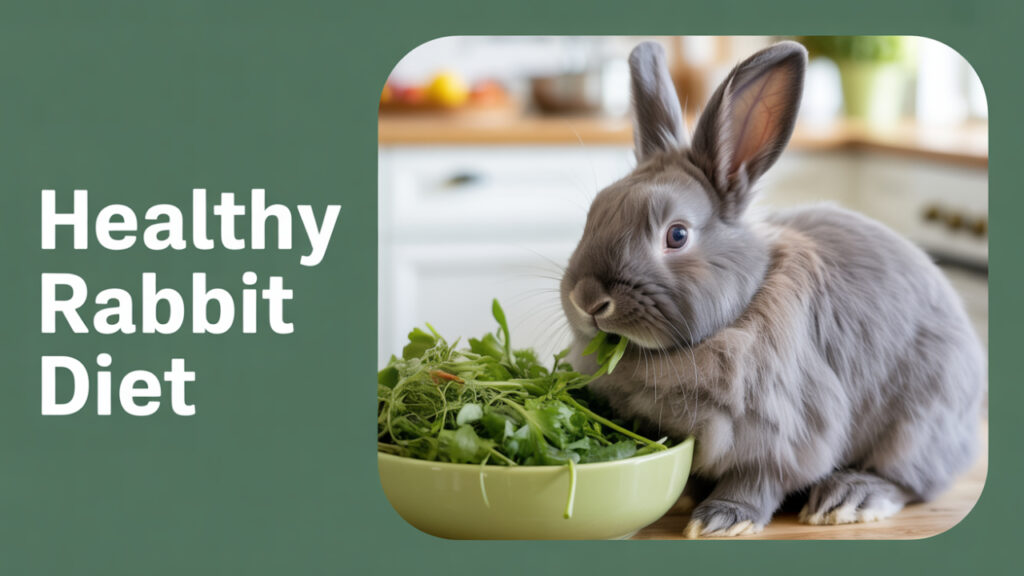
Diet is very important for an Angora. High-fiber hay, especially Timothy Hay, should be offered daily as it aids in digestive health and helps avert GI stasis, commonly known in Angoras as “wool block.” Quality pellets for Angoras are vital, providing the needed protein. Add fresh greens incrementally, observing your bunny’s reaction to these new foods. Treats should be restricted to healthy choices, such as small pieces of fruit or vegetables, to prevent weight gain.
3. Proper Housing
Housing is a very important factor in providing comfort and health for your angora rabbit. They need a big hutch, preferably not in a basement or a closed area, with at least four times their size as exercise space. Soft bedding such as hay or straw makes an inviting space for your sweet bunny, and good ventilation ensures fresh air. Placing the hutch in a serene environment reduces stress and provides a sanctuary for your rabbit.
4. Health Monitoring
Regular health checks are mandatory. Watch for symptoms of illness including altered appetite, lethargy, or abnormal behavior. The quality of their coat can be a sign of skin problems. Weigh periodically to make sure they’re not too big or too little. Routine vet exams for vaccines and checkups are a must. Other neglect in this area may result in health issues.
5. Gentle Handling
Loving handling is key to preventing stress when handling. Injure them by always supporting an Angora’s hind legs when lifting them. Make the environment peaceful for your bunny. Teaching your kids how to handle them properly is crucial for everyone’s safety.
Mastering the Angora Fleece
Knowing the quirks of angora fleece is key to giving it the care it needs. Angora rabbits have luxuriously long fur that needs to be groomed regularly to keep it clean and untangled. Regular grooming, ideally two to three times a week, prevents mats and promotes their health. If not properly cared for, these rabbits can develop wool block and potentially have fatal digestive complications.
Essential Tools
Assembling your fleece grooming arsenal. A slicker brush is essential for detangling, and wide-toothed combs dislodge loose hair. Have scissors nearby to trim mats if they happen. If you shear your angora, splurge on good shears for your animal’s coat. It will make the job easier.
Maintaining grooming tools in a clean and sanitized condition is a must to avoid the transmission of bacteria or parasites. Between uses, clean the tools with disinfectant wipes or an appropriate cleaner. Save these implements in a specific place where they’re readily available when you need to groom.
Shearing vs. Plucking
To shear or to pluck, that is the question depending on your angora’s coat and your experience. Shearing is often less stressful for the rabbit and can be quicker than plucking. Plucking lets you get more detailed, with the ability to pull out loose hair and keep mats at bay; it just takes a ton of time.
Consulting with experienced breeders or groomers will give you a sense of the best approach for your angora. Both ways have their advantages. Knowing the distinction will assist you with caring for your rabbit’s coat.
Creating a Routine
Setting a regular grooming routine is essential to maintain your angora’s fleece. Make grooming a part of your daily routine, so it becomes a natural part of your bunny care. Vary the schedule seasonally, as angoras moult three to four times a year, about every ninety days.
Keeping track of grooming will allow you to see your progress and what areas need a little extra attention. In time, you will become experienced at knowing your rabbit’s individual grooming needs.
Preventing Mats
Mats will form in your angora’s long fur if it isn’t brushed on a frequent basis. Pay special attention to trouble spots for felting, such as behind the ears and under the legs. If needed, use detangler sprays or conditioners made for rabbit fur.
If mats get too tight or hard to pull out, trim them away gently with scissors. Grooming prevents health problems like wool block, lethargy, and appetite loss.
What to Feed Your Angora Rabbit
What should you feed your Angora rabbit? They’ll need high fiber hay, quality pellets, fresh greens, and ample amounts of water. Each one is instrumental for your rabbit’s digestive health as well as overall vitality.
High-Fiber Hay
Unlimited high-fiber hay is a must. Timothy hay or orchard grass are wonderful options. These hays provide the roughage that prevents “wool block,” a common affliction in Angoras.
Make sure the hay you feed your Angora is fresh, not moldy or dusty, as this can lead to respiratory issues. A hay feeder will help keep the hay clean and promote natural foraging. Keep an eye on your Angora’s hay intake to ensure they are eating enough fiber, which is at least 1 to 2 cups per day per rabbit.
Quality Pellets
Choose good quality pellets made especially for Angoras. These need to have a minimum of 18 percent protein. Pellets should be low in calcium to avoid urinary problems.
The daily recommended amount varies. Provide one-half to three-fourths cups for English Angoras and three-fourths to one cup for French, German, and Satin breeds. Please measure pellets as overfeeding can cause obesity. Keep pellets fresh by storing them in a cool, dry location.
Fresh Greens
Fresh greens are a must in your Angora’s daily diet. Add things like romaine lettuce, cilantro, and parsley on a gradual basis to reduce potential digestion upset.
Rinse all greens well to remove pesticides or other chemicals. High-sugar veggies and fruits should be treats once or twice a week, with one to two cups of fresh per day to provide vitamins and minerals.
Water Intake
Water is crucial. Be sure your Angora has fresh, clean water available at all times. Both bowls and bottles work well depending on what your rabbit fancies.
Change the water daily to keep it fresh. In hot weather, watch water intake to keep your bunny hydrated.
Preventing Common Health Issues
Let’s get to know some common health issues that can affect your angora rabbits. By arming yourself with knowledge on these potential issues, you can take the necessary precautions to stay ahead of them and keep your bunny healthy and happy. Important preventative measures are regular grooming, a balanced diet, awareness of early signs of health problems, and a clean living environment.
Wool Block
Wool block is a serious issue that arises when a rabbit consumes too much fur. Be on the lookout for symptoms like anorexia, lethargy, and constipation. Feeding lots of high-fiber hay is critical in avoiding wool block, as it supports digestion and assists in pushing fur through the GI tract.
Signs of Wool Block:
- Reduced appetite
- Lethargy
- Straining to defecate
- Vomiting (rare in rabbits)
Preventive Measures:
- Provide high-fiber hay daily
- Regular grooming to minimize fur ingestion
- Monitor eating habits closely
If symptoms stick around or intensify, it’s time to see a vet and address the problem.
GI Stasis
GI stasis is another one. Identify symptoms such as not defecating, less desire to eat, and abdominal pain. To jumpstart gastrointestinal motility, have your angora eat hay and drink water. Observing eating habits closely will help to catch any changes early, enabling quick intervention.
GI stasis requires immediate vet care if suspected as it can cause fatal complications.
Dental Health
Dental health is really important for your angora’s health. Be sure to regularly check your rabbit’s teeth for overgrowth or misalignment. Chew toys and hay help naturally grind down their teeth. Make regular vet visits to keep an eye on dental problems.
Look out for signs of dental pain, like drooling or difficulty eating. A timely response can prevent additional damage.
Parasite Control
A good parasite control program is the key to protecting your angora from fleas, mites, and worms. Ask your vet about suitable treatments and prevention for your bunny. Maintain a clean and debris-free environment for your angora to reduce parasite contact.
Keep an eye out for parasites, such as itching or hair loss. Tackle these dilemmas head on to keep your bunny healthy.
Designing the Ideal Habitat
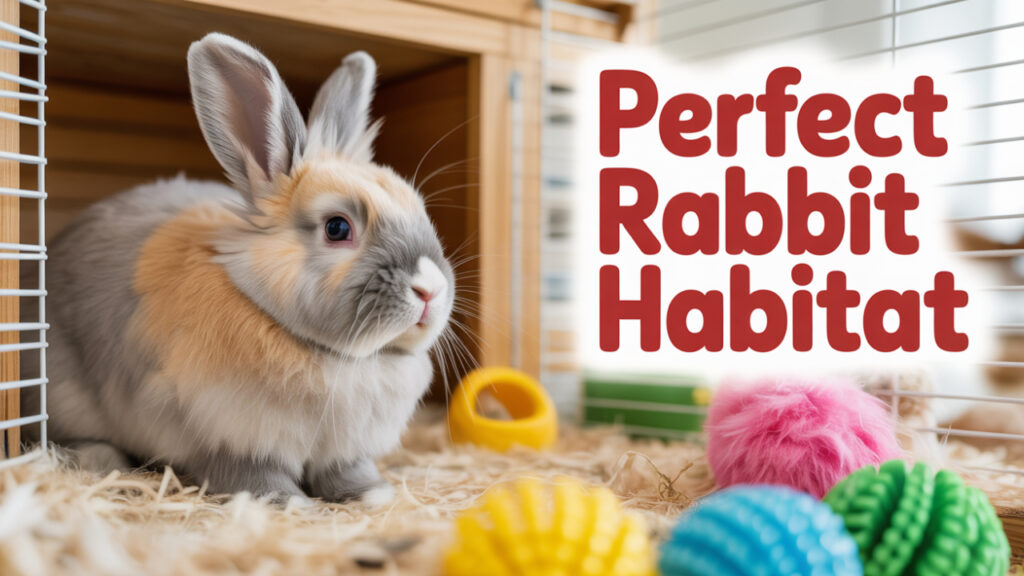
Design the perfect habitat. It needs to be secure, roomy, and stimulating so that your bunny can feel at home and get plenty of exercise and activity. Here are some important points to keep in mind while crafting your angora’s perfect habitat.
Indoor Enclosures
If you’re building indoor habitats, provide extra room for your angora to bounce around. We suggest a size of at least 1.5 square meters; the bigger the better. Utilize chew-safe materials like untreated wood or metal. Add cushy bedding, such as hay or fleece, for snuggle purposes. Hiding spots, like cardboard boxes or tunnels, can stimulate natural instincts and create a sense of safety. Conduct frequent safety checks of the hutch or cage to keep your rabbit from harm.
Temperature Control
Keeping your bunny’s habitat at a nice temperature is key. Preferably, your habitat should be around 15 to 22 degrees Celsius. When it’s hot, shade them and ventilate well to keep them cool. You can use fans or air conditioning to help cool the space. In the winter, protect the enclosure from cold drafts by covering it with blankets or moving it away from windows. Keep a close eye on your angora for any discomfort, whether it’s overheating and panting or chilling and huddling against the snow.
Safe Flooring
Choosing the right flooring is crucial for the comfort and safety of your angora. Steer clear of slippery floors such as tile or polished wood, which may cause her to fall. Instead, choose soft surfaces like carpet or rubber mats that offer padding. Layer soft bedding on top for extra warmth and comfort. Routinely inspect your bunny’s area for any sharp or pokey objects or debris that could hurt their tender legs.
Enrichment Items
Enrichment is important toward keeping your angora mentally engaged. Add tunnels, chew toys, and climbing structures to their enclosure to inspire adventure. Rotate toys, too, so they don’t get bored. Hiding treats around the enclosure encourages natural foraging behaviors. Based on your angora’s likes, customize the enrichment to keep them stimulated and content.
Understanding Angora Behavior
It’s important to understand how your angora behaves. These animals have special requirements and desires that arise from their gregarious disposition. By understanding their behaviors, parents can cultivate a nurturing environment that encourages their health.
Social Needs
Angora bunnies love to socialize. It’s crucial to their mental and emotional well-being. They’re very social animals and regular interaction with humans and other rabbits can improve their quality of life immensely. Think about getting a second bunny. Company eases loneliness, but they have to be introduced slowly and with care.
- Angoras require socialization to prevent isolation.
- Interaction with humans strengthens bonds and builds trust.
- A companion rabbit can provide emotional support.
- Signs of stress can indicate insufficient socialization.
Keep an eye on your bunny’s antics. Isolation can cause stress that may result in destructive behavior or depression. Working with them daily can help cultivate a confident, affectionate household.
Body Language
Understanding your angora’s body language is essential to know how they are feeling. Content rabbits do binkies—spontaneous leaps of happiness—and have a loose body stance. If your angora thumps their hind legs or hides, it could be an indication of being uncomfortable or stressed.
Knowing how to read these cues can help you react suitably. Employ positive reinforcement techniques for good behavior, which will help develop trust as time passes. Once your angora is confident, it will exhibit increased good behavior.
Stress Signals
Knowing what to look for as a stress signal is half the battle. Over grooming is typically a sign of anxiety. Aggression can come from feeling threatened. Pay attention to environmental stressors like loud noises or alterations to their routine and make efforts to reduce them.
Giving your angora a silent, secure refuge can aid them when inundated. If your bunny’s stress signals continue, a visit to the vet or an animal behaviorist can provide further strategies to manage their health.
Building Trust
Gaining your angora’s trust takes time. Regular, soft contact when you interact with her encourages her to feel safe. Providing treats during bonding time builds these positive associations and encourages your bunny to want you around.
Give your angora the time they need to seek you out. Respecting their boundaries is part of building the trusting connection that will nourish both your lives.
Conclusion
Caring for an Angora rabbit. With a proper habitat, a nutritious diet, and consistent grooming, your rabbit will be healthy and happy! Knowing how they behave fosters a strong connection and makes your experience better.
Be aware of common health issues so that you can catch problems early. Your dedication affects their health.
For new owners, begin with small steps, such as preparing a comfortable habitat and selecting appropriate nutrition. Have fun with it and see your Angora flourish.
Think about linking up with other rabbit owners. Your experience with an Angora rabbit can be fulfilling, with happiness and friendship.
Frequently Asked Questions
How often should I groom my Angora rabbit?
Brush your Angora rabbit every couple of days to avoid mats and tangles. Consistent grooming is essential to support the health of their fleece and to keep them comfortable.
Can Angora rabbits live indoors?
Yes, Angoras can live inside. They do best in a temperature controlled environment where they can be around the family and kept warm during the cold months.
What is the best diet for an Angora rabbit?
Provide your Angora rabbit with a nutritious diet consisting of high-quality hay, fresh vegetables, and a limited quantity of pellets. This diet sustains their health and keeps their fleece beautiful.
Are Angora rabbits good pets for children?
Angora rabbits can be great children’s pets with supervision. They’re sweet-natured and amiable and need to be handled and cared for appropriately to be in their best condition.
What common health issues do Angora rabbits face?
Angora rabbits can suffer from dental issues, obesity, and wool block. Routine veterinary visits and good nutrition can stave off these troubles.
How much space do Angora rabbits need?
Angora rabbits require a roomy enclosure with plenty of space to bound about. Preferably give it a little over 1.5 square meters of living space and a secure, enclosed exercise area.
Do Angora rabbits require special care during shedding?
Yes, when shedding, Angora rabbits demand additional grooming. It is useful in taking out loose fur and preventing mats from developing, keeping their fleece in a healthy, manageable state.

Gary Richter
Pet Nutrition Research Specialist
Gary Richter is a pet nutrition researcher and animal science specialist with over 15 years of experience in comparative animal nutrition studies. As the lead research analyst at PetVerdict, Gary focuses on translating complex nutritional science into practical guidance for pet owners.
Academic Background: Graduate studies at Huazhong Agricultural University
View all research articles →