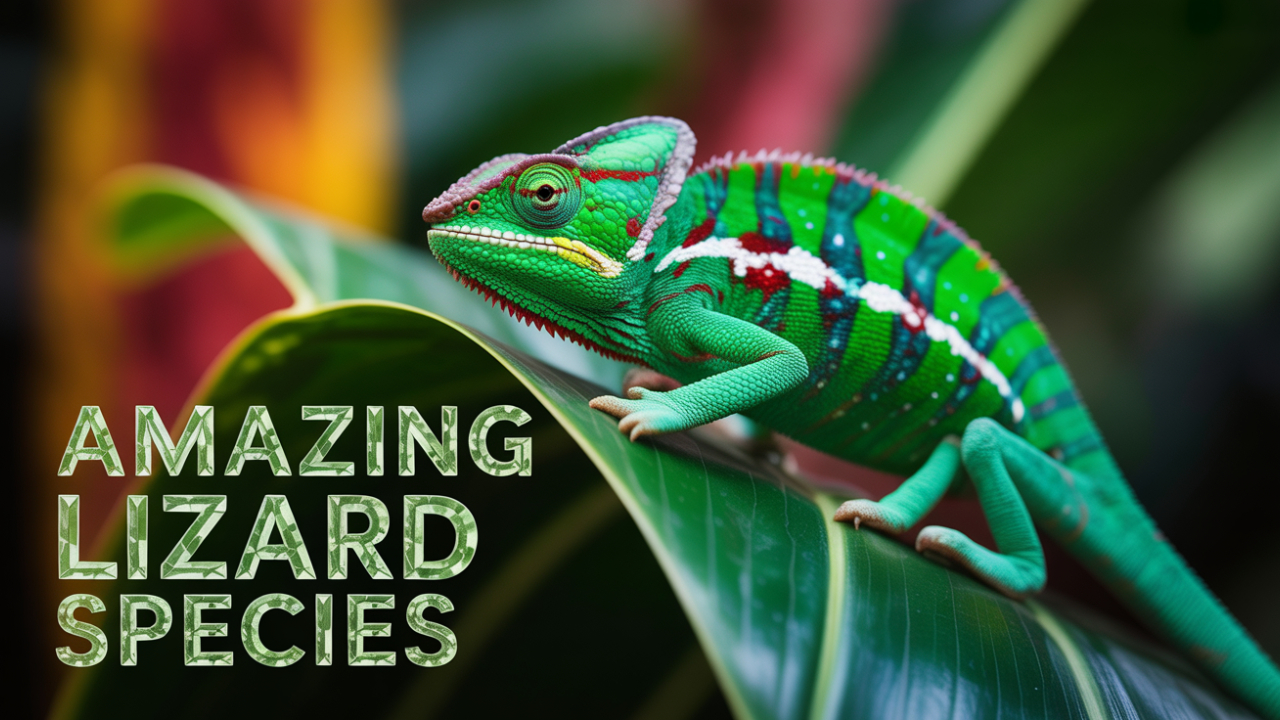

Types of lizards in Nigeria. Some of the popular types include Agama lizards, which are recognized for their vivid colors and aggressive territorial nature, and the monitor lizards, which tend to be larger and are commonly located around water bodies. Knowledge about these lizards provides perspective on their environments and ecological significance. In this blog, we’ll take a closer look at the various types of lizards in Nigeria and what makes them unique.
Nigeria’s Most Common Lizards
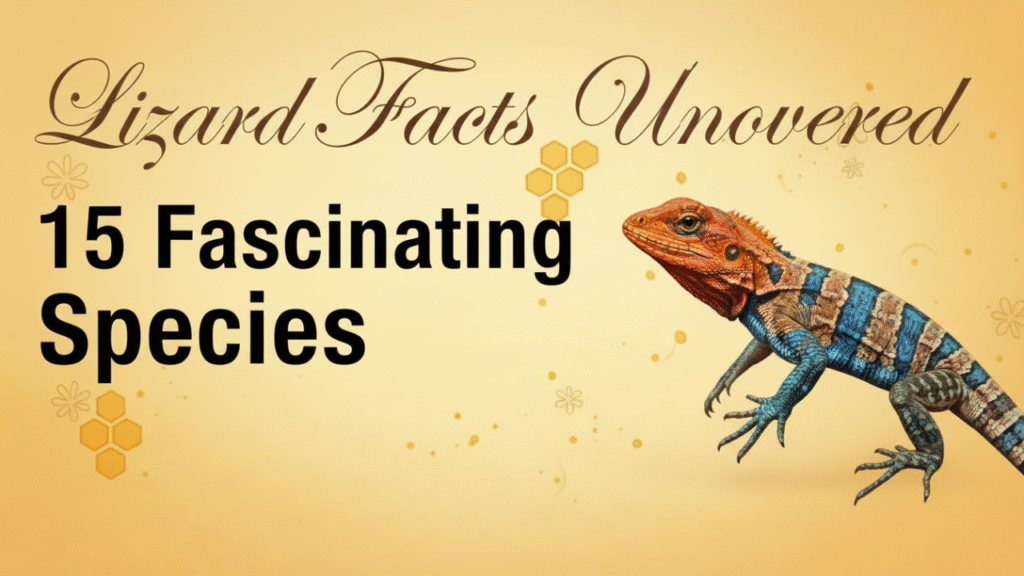
Nigeria is home to a diverse range of lizard species, each contributing uniquely to the ecosystem. From the colorful agamas to cunning chameleons, these lizards have adapted to diverse environments such as woodlands, grasslands, and even cities. Getting to know these lizards enables us to admire their ecological functions and underscores their resilience to environmental transformations nationwide.
1. The Agama Family
Agamas are the most easily noticed. Their bright colors and unique body shapes make them stand out. Generally, males flaunt vivid coloring, particularly in mating season, as a sign of fitness to woo females. Their bodies are typically flattened, which facilitates basking.
Socially, agamas are very interesting. They are polygamous, with males defending territories from rivals with head-bobbing displays and calls. As omnivores, their diet includes insects, fruits, and vegetation, reflecting their adaptability.
The Agama genus is very important in Nigeria’s lizard fauna. They aid in the control of insect populations and are food for larger animals, preserving ecosystem harmony.
2. The Gecko Family
Geckos are some of the most interesting lizards. They have sticky toe pads which means they can scale smooth surfaces and they’re one of the only lizards that can vocalize, communicating amongst themselves. These guys, like the tropical house gecko, are very common in cities in Nigeria and can be found sprinting up and down walls at night.
These night stalkers are amazing at pest control, dining on bugs and even cockroaches. Their regenerative tails only add to their allure, as does their varying hues that span from subdued to vivid colors.
3. The Skink Family
Among Nigeria’s common skinks is the Senegal mabuya. They love sandy soil and rocky crevices, where they can hunker in and hide away from predation.
They are chiefly insectivorous, preying on insects and are therefore an important link in the food chain. Fun fact: most skinks are viviparous, caring for their young until they are able to fend for themselves.
4. The Monitor Family
Among the monitors, the Nile monitor is the most numerous and one of the most impressive members with its large size and powerful body. This carnivore feeds on small mammals, birds, and other reptiles.
Nile monitors actually live in swamps and mangroves as well. They keep the food chain balanced.
5. The Chameleon Family
Nigeria’s most common lizards, the African chameleon and Senegal chameleon, both display some amazing adaptations. Their color-changing ability aids in communication and camouflage, which helps them avoid predators.
Chameleons mainly consume insects, capturing them with their adhesive tongues. These turtles can live for nearly a quarter-century with females producing anywhere from six to seventy eggs based on the species.
The Unseen Work of Lizards
Lizards play critical roles in their ecosystems, contributing to biodiversity and ecological balance in ways that often go unnoticed. Recognizing these occupations teaches us reverence for wilderness and the symphony of ecosystems.
| Role of Lizards | Description |
|---|---|
| Prey for Larger Animals | Lizards serve as a food source for birds, snakes, and mammals, supporting many predator species. |
| Pest Control | Species such as the Nile monitor (Varanus niloticus) help manage pest populations, keeping insect numbers in check. |
| Seed Dispersal and Pollination | Lizards aid in spreading seeds and pollinating plants, enhancing plant diversity. |
| Soil Health | Burrowing activities of lizards contribute to nutrient cycling and improve soil quality. |
Lizards contribute significantly to the food web, acting as both predators and prey. They feed on insects and small mammals, helping to control populations that could otherwise become pests. In turn, they themselves are prey for larger animals, establishing a balance within their ecosystems. For example, the Savannah monitor (Varanus exanthematicus) can be found in various habitats across Africa, serving as a substantial food source for birds of prey and larger reptiles.
Beyond their contribution to the food web, lizards are key to fostering plant diversity via seed dispersal and pollination. As they traverse their habitats, lizards snack on fruits and flowers, unknowingly spreading seeds as they go. This renews communities of plants in strong ecosystems. While other lizards such as chameleons and geckos are masters of camouflage, they can successfully escape predators and serve as effective seed dispersal agents.
In addition, lizards affect soil health through their natural behaviors. Their tunnels aerate the earth and enable water and nutrients to seep deeper. This, in turn, assists in nutrient cycling, helping to fertilize the soil and encourage richer plant development. Certain species of lizards are adapted to endure the harshest habitats, such as the African spurred tortoise (Centrochelys sulcata), highlighting their resilience and the significance of observing their ecological roles.
The unsung work of lizards. The brilliance and ingenuity of varanids are often overlooked, even when the monitor lizards are serving an important function in their environment. By learning about these hidden elements of lizard life, we can cultivate a greater respect for the intricacy of nature and the value of conservation.
Where Nigerian Lizards Live
Where Nigerian lizards reside. Whether it’s the arid savannahs, dense rainforests or bustling cities, these lizards flaunt their adaptability. Knowing where they live tells you a lot about their behaviors and survival instincts.
Savannah Dwellers
Savannah lizards, such as the Savannah Monitor, are extremely well suited for drought. Their physical characteristics enable them to thermoregulate, employing burrows and shade to escape the heat. Some have become dry-colored to better camouflage against the dry landscape.
There’s plenty of prey in the savannah, from insects to small rodents. Lizards have perfected their hunting skills to take advantage of these meals. Their agile bodies and ambush tactics aid in the hunt.
- Many savannah lizards exhibit social behaviors, including territorial displays to scare off rivals. Group basking helps regulate body temperature. Expressive body language indicates threat or courting.
When it comes to lizards, the seasonal changes of the savannah are a big deal. A number of these species go dormant for the dry season, preserving their energy. During the wetter months, there’s an abundance of insects, so more hunting and breeding is done.
Rainforest Natives
Think of Nigeria’s rainforests as the tropical paradise where blue-tailed skinks thrive. These lizards have adapted with moisture-retentive skin and behaviors that help them shimmy through dense foliage. You often find them lolling on branches or lurking beneath leaves.
The rainforest is abundant with biodiversity, including lizards who help to keep the ecosystem in balance. They keep the bugs under control and get eaten by bigger animals, showing how essential they are to the food web.
Iguanas of the Nigerian rain forest get their food in an unusual way. Numerous feed on prolific insect populations, using their exceptional eyesight and rapid reflexes to seize bugs in flight. They feed on fruits and small invertebrates.
Rainforest lizards are threatened by habitat loss and degradation. Clearing forests for farmland and lumber interferes with their habitats, causing lizard numbers to fall.
Urban Survivors
Some lizards have even adapted to city life. They flourish in anthropogenic environments, carving out habitats in gardens, parks, and even inside structures. The colorful Agama Lizard is often spotted sunning itself on walls in urban areas.
Urban lizards were far more flexible in their diet and scavenged. They may snack on leftover scraps or even insects drawn to human activity. This flexibility enables them to thrive in regions with scarce wild food resources.
Urban life is hard. Pollution and habitat fragmentation induce health problems and lower breeding success. Chemicals in the environment can be harmful to them.
Lizards living in the cities do provide advantages. They assist in pest control, minimizing chemical pest control. They add to the urban biodiversity tapestry.
My View: Lizards and Us
Lizards occupy a special place in Nigerian culture, frequently featuring in folklore and traditions. In a lot of cultures, they represent renewal and survival. Some stories describe lizards as symbols of good luck, whereas others portray them as shamanistic beings capable of bridging the material and spiritual realms. These myths are full of symbolism, indicative of the culture. Take, for example, the Agama lizard, with its bright hues, which is occasionally connected to beauty and vitality in local lore. This cultural importance is more than superstition; it creates a bond between humans and their surroundings, nurturing reverence for these animals.
Getting to know lizards has other educational benefits, especially when it comes to biodiversity and conservation. They are critical to ecosystems, serving as both predators and prey. About: What lizards can teach us Schools and communities can utilize lizards as inspiration for spreading the message of preservation for biodiversity. For example, workshops where kids learn about local lizard species and their role in and contribution to healthy ecosystems. This experiential learning approach fosters a sense of stewardship toward nature, prompting future generations to champion conservation.
Ecotourism is another area where lizards can sparkle. With Nigeria’s rich biodiversity, lizard watching could be a huge tourist attraction. Natural habitat-led tours allow you to see all the different types of lizards in their environment. This not only fosters appreciation for these incredible reptiles but also bolsters local economies through eco-tourism. Communities can profit from this by generating employment and supporting conservation programs so that both humans and lizards prosper.
My take: Lizards and ourselves. Lizards manage insects, lessening pesticide dependence. They are environmental health indicators, so having them around is a sign of a healthy ecosystem. Through encouraging coexistence, communities can come to embrace the worth of lizards in their environment. School groups can emphasize that minor lifestyle adjustments, like supplying natural areas in their gardens, help lizards and us. By crafting a symbiotic oasis for future generations, both species can flourish side by side.
Threats to Lizard Populations
Threats to lizard populations These threats, both anthropogenic and environmental, impact their health, habitat, and populations. These hazards must be known for preservation.
| Threats | Description |
|---|---|
| Habitat Destruction | Urban development and agriculture reduce living spaces. |
| Pollution | Contaminated environments harm lizard health. |
| Invasive Species | Non-native species outcompete local lizards. |
| Illegal Wildlife Trade | Targeted hunting impacts specific lizard species. |
One of the biggest threats to lizards is pollution. In urban and agricultural areas, pesticides and industrial waste can pollute habitats. Lizards take in these toxins via their skin and meals, resulting in compromised immune systems and increased deaths. For example, lizards from heavily metal-polluted environments were found to be less reproductively successful. This population decrease is not limited to local areas; it is indicative of the larger environmental burden of what happens when clean habitats disappear.
Invasive species pose a threat to native lizards. Non-native lizards or predators that get introduced to an ecosystem can compete for food and shelter, pressuring local species. Take, for instance, how the invasive Nile monitor lizard, a predator of smaller lizards, has impacted ecosystems. As these invaders flourish, native lizards can’t get what they need, and their populations decline, sometimes even to the point of extinction in local areas.
Another serious threat is the illegal wildlife trade. Numerous lizard species are exploited for their skins or captured as exotic pets. This trade risks over-exploitation, particularly for species already threatened. Certain lizards are collected from the wild without consideration for ecosystem balance or population sustainability. In Nigeria, some of the most colorful and rare lizards have become targets, pushing them closer to extinction in the wild.
How You Can Help
It is essential to support local conservation efforts to safeguard lizard habitats and ecosystems in Nigeria. Most of the species are threatened by habitat loss and climate change. Groups like the Nigerian Conservation Foundation fight hard to protect these places. By donating, volunteering, or simply raising awareness about groups like these, you can be a vital part of the battle to save these unusual reptiles. Each small act matters, from spreading their campaigns across social media to participating in local conservation events.
Encouraging biodiversity in your own garden or cityscape can do wonders for lizard happiness. Easy actions such as planting native plants offer sustenance and refuge for lizards and other animals. By introducing plants such as the African violet or local ferns, you can provide a hospitable home. Don’t use pesticides, which can kill lizards and other helpful bugs. Even leaving a few areas of your garden a little wild can entice lizards to flourish. Every little bit counts in establishing a balanced ecosystem.
Education is a key to lizard conservation. Educating friends, family, and your community about the ecological roles of lizards is important. Most people don’t know that lizards keep the bugs at bay and maintain the balance in their ecosystem. You can help by hosting workshops or informal sessions. You could hand out flyers or do some blogging about the significance and endangerment of lizards. Through encouraging appreciation of these reptiles, you aid in their shared defense.
Getting involved in citizen science projects is a powerful way to assist in tracking lizard populations and habitats. Apps like iNaturalist invite you to record and upload your sightings of local fauna. When you report lizard sightings and behavior, you assist researchers in collecting data to guide conservation. These activities deepen your knowledge of lizards and immerse you in a fraternity of fellow enthusiasts. Make an impact and have fun outside exploring and discovering these amazing animals.
Conclusion
Nature’s kaleidoscope: types of lizards in nigeria From the ubiquitous house lizard to the vibrant chameleons, these reptiles are crucial to their habitats. They assist with pest control and contribute to the splendor of our environment.
As their populations are threatened, all of us can help. Small acts such as building safe habitats or advocating for conservation initiatives can make a difference in preserving these incredible reptiles.
Knowing and valuing lizards enhances our bond with the natural world. Learn their stories, watch their behavior, and share your discoveries. Every small bit helps. Let’s protect the future of Nigeria’s lizards and enjoy the diversity they add to our world.
Frequently Asked Questions
What are the most common types of lizards found in Nigeria?
8 common lizards in Nigeria are Agama lizard, Monitor lizard, and Chameleon. These lizards are excellent climbers and camouflagers, which make them effective predators and survivors.
Do lizards play a role in the ecosystem?
Yep, they eat pests that would otherwise attack humans. They’re a snack for other animals, helping to keep the ecosystem balanced.
Where can I find lizards in Nigeria?
They inhabit a wide range of environments such as forests, savannas, and even urban spaces. They thrive in warm environments where they have convenient access to shelter and nourishment.
Are Nigerian lizards dangerous to humans?
The majority of lizards in Nigeria pose no direct harm to humans. A few can bite if provoked. Just watch them from afar.
What threats do lizards face in Nigeria?
Lizards are threatened by habitat loss, climate change, and pollution. These factors lead to dying populations and species loss.
How can I help protect lizard populations in Nigeria?
You can assist by protecting their environments, minimizing pollution, and backing conservation initiatives. Informing people about the benefits of lizards matters.
Are there any conservation programs for lizards in Nigeria?
Many conservation initiatives work to preserve lizard habitats and educate people on their environmental value. Back these efforts to empower lizards.

Gary Richter
Pet Nutrition Research Specialist
Gary Richter is a pet nutrition researcher and animal science specialist with over 15 years of experience in comparative animal nutrition studies. As the lead research analyst at PetVerdict, Gary focuses on translating complex nutritional science into practical guidance for pet owners.
Academic Background: Graduate studies at Huazhong Agricultural University
View all research articles →