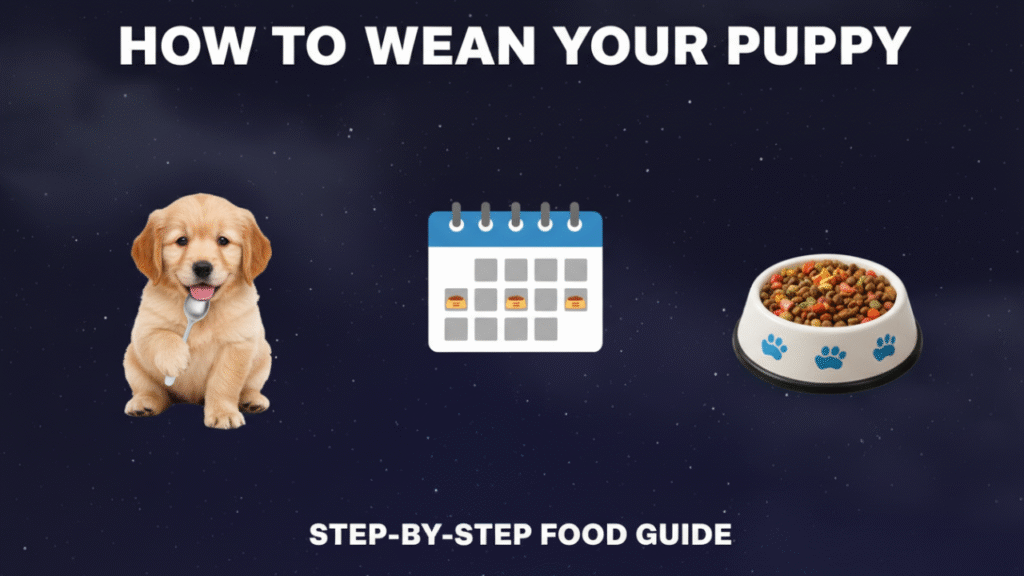
A 4-week-old puppy weaning schedule typically involves gradually introducing solid food while reducing reliance on their mother’s milk. By this time, pups are beginning to grow their teeth and can now start eating soft, moistened puppy food. Weaning takes place over several weeks. Observe their health and modify the feeding schedule accordingly to bolster their growth. Knowing this schedule enables new puppy owners to offer optimal care during this crucial developmental stage. Below, we’ll go over how to successfully wean your 4 week old puppy, with feeding tips and signs to watch for.
Recognizing Weaning Readiness

Knowing when a pup is ready to start the weaning process is a matter of observing physical and behavioral cues. By listening to these signs, parents can facilitate a seamless shift from the breast to the spoon.
Physical Cues
One of the initial signs of weaning readiness is the emergence of those sharp puppy teeth. These teeth are a sign the puppies can now process solid food textures, facilitating the transition away from milk. As puppies approach the 3-4 week mark, they will begin to show some ability to stand and walk. This mobility not only enables them to wander, but implies they are developmentally ready to experiment with solids.
Curiosity towards their mother’s food is another strong indicator. If puppies show interest in investigating or sniffing at what their mother eats, this is a clear sign they might be ready to sample solid options. Evaluating the overall body condition of the puppies is crucial. They should appear healthy and well-nourished, indicating they can handle the weaning process.
Behavioral Signs
Behavioral changes in puppies will indicate weaning readiness. Independence, like puppies playing on their own, away from their mother and littermates, are signs that they’re growing up. If they cry out in frustration at the breast, this can mean they want something heartier than milk.
Another key behavior is when puppies try to eat from their mom’s bowl. This reveals not only an interest in solid food but a receptiveness to new textures. Time spent between littermates can further facilitate this exploration, as play with others often results in mimicking behavior, including sampling new foods.
Mom dogs are a big part of it. If she starts to resist nursing or is wound up because of the puppies’ needle teeth, she might be ready to wean them. As studies have demonstrated, numerous dams exhibit a spike in nursing rejections during week 7, typically associated with pain. Every mom is different. Some stop as early as 3 weeks and some don’t stop until 3 months.
Observing all these signs, both physical and behavioral, gives you a better sense of when to initiate the weaning process.
The 4-Week-Old Puppy Weaning Schedule
The weaning period is important for a puppy’s growth, representing a transition from milk to solid food. The 4-Week-Old Puppy Weaning Schedule. Setting a defined schedule is important to get them acclimated comfortably to solids.
1. Week Four: Introduction
Now, here’s a gruel of puppy formula and soft puppy food to help transition. This sludgy substance is simpler for young puppies to stomach and facilitates the transition from milk to solids. Serve in shallow bowls, available for all puppies as they test their new menu.
This is why it’s so important to encourage their exploratory tendencies. Let the puppies lick and taste the gruel as they please. Slowly increase the gruel as they become interested and capable. This approach honors their innate inquisitiveness and simultaneously begins to establish for them that food is sustenance.
2. Week Five: Transition
In week five, start mixing more solids into the gruel, lessening the liquid. Watch each puppy’s eating habits closely to ensure they are adjusting to the new texture well. It’s beneficial to introduce a variety of puppy foods; this promotes a varied palate and nutrition.
As the puppies become more independent, wean them from nursing momma. This slow method nurtures their growth while keeping them in good standing with their dam.
3. Week Six: Independence
Starting at week six, provide dry puppy kibble along with the gruel to encourage chewing and self-feeding. By this point, it is important to get puppies to drink water on their own as well. It is cute to watch them eat together and it sparks social skills.
Phase out nursing altogether. Make certain that all puppies are now eating solid food, which is an important developmental step.
4. Week Seven: Completion
Make sure all the puppies have been weaned completely. Check on the weight and health of each puppy to make sure they are thriving on their new diet. Feeding them at the same time every day helps instill a sense of routine and predictability, which is essential in their early stages of development.
You’ve just rocked their world of growth by successfully weaning your 4 week old puppy!
Crafting the Weaning Gruel
So, how do you create that perfectly nutritious weaning gruel? This concoction not only serves up vital sustenance but helps ease the transition for young canines. Puppies, at about 4 weeks of age, begin to need more than milk. Their mother’s milk is no longer sufficient and they need the gruel for weaning and growth.
The Right Ingredients
Choosing top-notch puppy formula is half the battle when it comes to creating a good gruel. Puppy-specific foods are intended to nourish growing dogs. Seek out choices that name protein and fat sources because these are essential for proper development. Chicken, lamb, or fish are great options. Stay away from people foods, particularly ones such as chocolate or onions that can do major damage. Reference feeding guidelines to make sure you are balancing the right ingredients. This ensures that puppies have decent vitamins and minerals for their development.
Perfect Consistency
Target a smooth, porridge-like consistency that puppies can lap up. If the gruel is too thick, it may irritate them, and if it is too watery, it can dilute important nutrients. Soaking kibble for 20 minutes can soften it enough for whipping into a gruel. Proceed to wean with attention to how well puppies can lap the mixture, whether it is too thick or thin. Modify on a case-by-case basis; every puppy will have different palates and eating capabilities.
Serving Temperature
The temperature is key to making the gruel tasty. It must be warm but not hot, which makes it smell better and more attractive to puppies. Test the temperature before serving. Slightly warming the gruel will certainly help release appetizing scents that puppies just can’t resist. No cold gruel here, or you’ll discourage them from eating.
Caring for the Mother Dog
Caring for the mother dog during the weaning process is essential for her well-being and the health of her puppies. Good nutrition, monitoring her health, and a stress-free environment are key parts of this care.
Adjusting Her Diet
As for the mother dog, you need to adjust her diet during this time. Begin by mixing in some quality puppy chow. Puppy food is formulated for growing dogs, which can help fuel the mama’s energy.
Build up her portion sizes as her energy demands increase. As she nurses, she burns more calories, and a greater input will keep her healthy. Supplements such as omega-3 or vitamins can be helpful if her diet is deficient in particular nutrients.
Facilitating a routine feeding schedule will help normalize her appetite and digestion. This can help keep her GI tract humming nicely through this transition.
Monitoring Her Health
Keeping an eye on the mother is a must. Monitor her body condition to make sure she stays trim. A sharp decline in weight can be a sign of stress or poor nutrition.
Be mindful of exhaustion or illness. Symptoms such as extreme lethargy, loss of appetite, or behavioral changes are red flags that she needs to see a vet. Trust me, you want to get out in front of this.
Watch her milk supply as well. Puppies can use a little love, and mastitis can stunt growth. If you see a drop, check with a vet to get her the care she needs.
Finally, scheduling regular vet check-ups will help keep tabs on her overall health. These visits can give an indication of how she is doing and confirm that she is holding up throughout the weaning process.
Beyond the Bowl: Behavioral Weaning
Behavioral weaning isn’t just getting a puppy from milk to solids. It’s about fostering their growth and independence during these early weeks. It establishes the foundation for a well-balanced dog by promoting adventure, socialization, and positive reinforcement behavior.
Fostering Independence
Weaning, behavioral weaning beyond the bowl, giving puppies the chance to play without their mother is extremely important. Arrange for secure play spaces where puppies can pursue balls and cuddle buddies. This not only teaches them to amuse themselves, it bolsters their confidence. Introducing new experiences, such as new surfaces like grass, carpet, and tiles, and new sounds like vacuum cleaners and doorbells, will excite them.
It encourages them to explore their surroundings and to be curious. Puppies need to be permitted to sniff, paw, and explore. Celebrate their independent behaviors, such as playing by themselves and investigating new corners. This affirmation reinforces their feeling of autonomy.
Social Development
Making playtime with littermates available helps with social skills. Puppies learn bite inhibition and proper play behavior throughout those interactions. Keep a close eye on their play to make sure that it’s good. If roughhousing gets too out of hand, step in gently to steer them back to appropriate play.
Socialization, or exposing your puppies to different people and surroundings, is just as crucial. This gets them used to it and empowers them to try other things. For example, bringing in family members or taking short walks can introduce new experiences. Encourage soft petting by relatives to build trust and social bonds. Monitor them to keep it safe and comfortable.
Wean her behaviorally as well: cut nursing sessions to encourage independence. As puppies mature, supporting their pursuit of other sources of comfort and sustenance assists them in adjusting to a world beyond their mother. By monitoring their behavior towards Mom, you can encourage good habits and solidify their journey towards independence.
Monitoring Puppy Health
Keeping an eye on 4 week old puppy health is critical during weaning. As puppies shift from mother’s milk to solid food, monitoring their growth, diet, and general health promotes a seamless and healthy development. This includes weight and growth, stool consistency, and hydration.
Weight and Growth
Weight checks need to be done. Weigh each puppy every week to ensure they’re putting on healthy weight. Puppies should gain roughly five to ten percent of their weight per week. Keep tabs on their weight against breed standards to catch growth problems early. For instance, a tiny baby chihuahua will weigh far less than a great dane. Feed less or more as needed per their individual patterns. Some puppies will eat more while others will eat less. Ill underweight signs can include visible ribs or lack of energy, and overweight puppies may have a difficult time moving or suffer from joint stress.
Stool Consistency
Stool is a direct reflection of a puppy’s health. Examine their stool once a day for consistency and color. Healthy stools should be firm but not hard and any drastic changes could indicate dietary or health problems. For example, mushy poop can be an indicator that they have a sensitivity to a component in their diet. Keeping the area where your puppy eats clean is important to avoid contamination. Keep it on a regular cleaning schedule. If digestive issues continue, such as diarrhea or vomiting, contact your veterinarian right away for an evaluation.
Hydration Levels
Hydration is another key piece. There is fresh water available to puppies at all times. Watch their drinking to make sure it’s not too much or too little. One tip is to use shallow bowls that they can easily drink from. Lethargy, dry gums, or excessive panting can be signs of dehydration. If you observe any of these symptoms, act fast to supply hydration or call a vet. It helps maintain general health and digestion, which is particularly important during weaning.
Conclusion
Weaning 4 week old puppy Knowing readiness sets the stage for a smooth transition. Here’s why a solid schedule is important: it makes sure the puppies get the nutrition they need while beginning to experiment with solid food. Preparing the right gruel supports their growth and development, and keeping the mama dog healthy is important too. Keeping an eye on this behavior provides an additional dimension to the weaning process, allowing you to catch problems early. With careful attention to their wellbeing, you’ll make sure every puppy flourishes during this vital period.
For any questions or support along the way, contact a vet or a professional. It is your devotion that defines your puppy’s destiny.
Frequently Asked Questions
What is weaning in puppies?
Weaning is when puppies are weaned off their mother’s milk to solid food. It typically starts at 4 weeks of age and assists puppies in becoming more independent.
How do I know if my puppy is ready to be weaned?
Indicators of readiness are more mobility, inquisitiveness towards solid foods and chewing abilities. If the puppy is interested in eating, you’re probably ready to wean.
What should I feed my 4-week-old puppy during weaning?
When weaning, serve a combination of quality puppy food and water blended into a gruel. It’s a texture that helps puppies make the transition from milk to solid food.
How long does the weaning process take?
The weaning process normally requires around three to four weeks. Puppies will wean usually by 8 weeks old.
Should I separate the puppy from its mother during weaning?
No, it’s better to have them together while weaning. This way the momma can assist in shepherding the pups as they transition to solids.
How often should I feed a weaning puppy?
Feed four times a day for weaning puppies. This schedule helps make sure they’re getting enough nutrition in this critical growth phase.
What should I monitor during the weaning process?
Monitor for these puppy health changes: weight, stool, energy. Any indications of stress or disease should be dealt with immediately.

Gary Richter
Pet Nutrition Research Specialist
Gary Richter is a pet nutrition researcher and animal science specialist with over 15 years of experience in comparative animal nutrition studies. As the lead research analyst at PetVerdict, Gary focuses on translating complex nutritional science into practical guidance for pet owners.
Academic Background: Graduate studies at Huazhong Agricultural University
View all research articles →