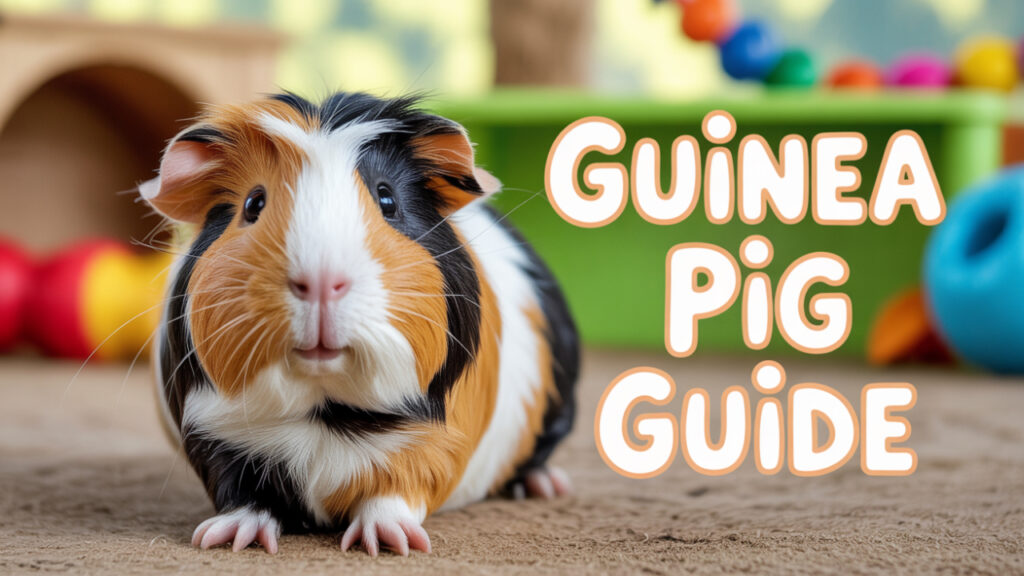
All varieties of guinea pig are of the species Cavia porcellus, which is a popular pet known for its gentle demeanor and minimal care requirements. These are all different types of guinea pigs, from the sleek American to the luxurious Peruvian and the tornado-tousled Abyssinian. Guinea pigs are very social creatures, and they do best in pairs or groups, so they make great friends. Knowing their various breeds can assist future owners in selecting the appropriate breed for their lifestyle. This guide will cover different guinea pig breeds, their features, care, and personalities to offer comprehensive information for guinea pig enthusiasts.
All Types of Guinea Pigs

All varieties of guinea pigs. All types of guinea pigs in terms of coat types, colors and personalities. Knowing these distinctions can assist prospective owners in choosing the appropriate breed for their requirements and way of life.
1. Short-Haired
Short-haired guinea pigs are particularly liked for their sleek, low-maintenance coats. American guinea pigs and Teddy guinea pigs are examples of this group. These lovable little critters have beautiful coats that run the gamut from solid colors to complex markings.
Grooming short-haired breeds is minimal. Other than some occasional brushing to take loose hair away, they don’t need much. This is why they make the perfect option for on-the-go households or new pet owners because they don’t require high-maintenance grooming.
2. Long-Haired
Long-haired guinea pigs are striking, including the Peruvian and Silkie breeds with their gorgeous flowing coats. They need a lot of grooming to avoid matting and need to be brushed every day.
Long fur can cause health problems, including skin irritation. Owners have to be attentive to avoid tangles, which can damage the rodent’s skin. In gorgeous colors, the flowing coats of these breeds make for mesmerizing pets.
3. Rough-Coated
Rough-coated guinea pigs, including the Rex and Lunkarya, are easier to groom than long-haired guinea pigs, needing less attention.
A lot of rough-coated guinea pigs have sweet, loving dispositions that make them wonderful companions. Their coats are different colors and patterns, making them unique and adorable.
4. Hairless
Hairless breeds such as the Baldwin and Skinny pigs have distinctive maintenance needs. Their hairlessness means they require special skincare to prevent sunburn and dryness.
Though their appearance is weird, hairless guinea pigs tend to be playful and affectionate. Their exotic rarity calls to many guinea pig lovers and makes them a highly desirable breed.
Beyond the Breed Standard
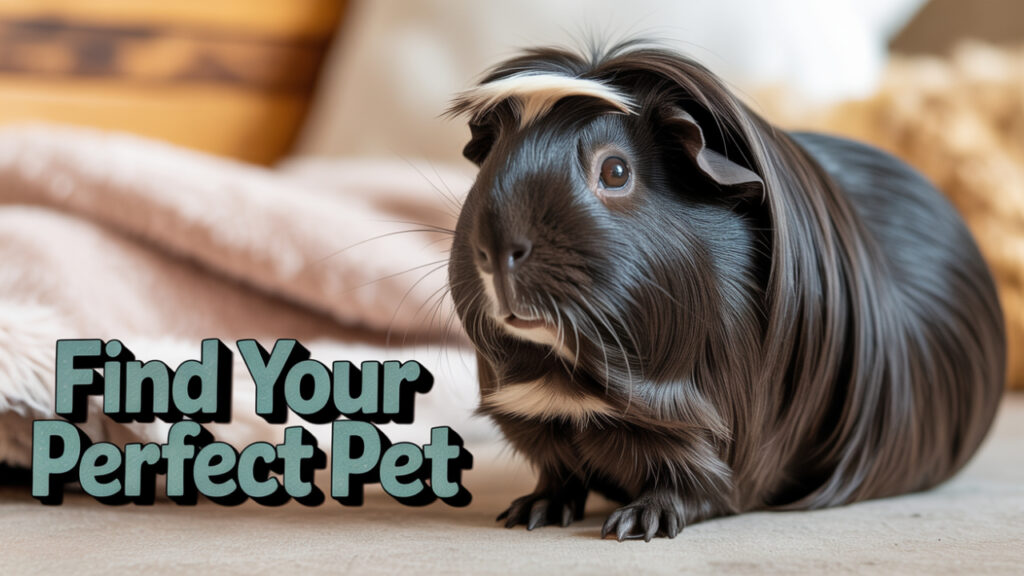
Knowing your guinea pigs stretches beyond the breed standard. These standards are important in contests and shows. Many lovely guinea pigs perhaps wouldn’t fit them to a tee and nonetheless make fantastic companions. This is where we get past the breed standard and get into what your guinea pig type’s personality is what really matters.
The Satin Sheen
Other breeds such as Satin Abyssinians and Satin Americans are recognized for their impressive satin sheen. This gloss is due to a genetic mutation that changes the shape of the hair so that it reflects light better. This shiny coat is beautiful, but satin-coated guinea pigs can experience health issues, including satin syndrome, which is associated with kidney problems that may reduce their life expectancy.
Despite these health risks, many owners enjoy the aesthetic appeal of satin guinea pigs, who tend to be eye-catching in a crowd. Their glossy coats are particularly alluring and capture the hearts of pet enthusiasts everywhere.
The Gentle Giants
Special care for larger cavy breeds or “gentle giants.” Breeds such as the American Crested and Lunkarya possess calm and friendly temperaments, perfect for the whole family. That size requires space and proper quarters to flourish. Owners should take care to provide cages that are spacious enough for their bigger bodies.
These gentle giants can have a laid-back temperament that adds to their allure as family pets. They can bring warmth and happiness and be a great addition to any household.
Personality Over Pedigree
Personality goes beyond breed standard when picking a guinea pig. Just as with any species, individual temperaments vary widely, even among members of the same breed. Playing with possible pets pre-adoption is really important.
The magic of bonding with a guinea pig is oftentimes in their personality and not their breed type. For instance, certain guinea pigs can have unique characteristics, such as the Bolivian Montane with its olive-colored coat, while hairless varieties like the Baldwin and Skinny pigs provide a different maintenance and interaction experience.
A Rainbow of Cavies
Guinea pigs or cavies come in a beautiful rainbow of colors that have made them such popular pets. Their spectrum of colors is beautiful and indicative of different breeds. This section explores the various guinea pig colorations and patterns, highlighting how genetics contributes to these eye-catching mixtures.
Solid Colors
Solid color guinea pigs have a coat that is all the same color with no markings, which caters to pet owners that like a more traditional look. Popular solids include black, white, and chocolate, which can be found in multiple breeds. The purity of these colors gives them a classy appearance, making them prized among the more serious guinea pig enthusiasts. Solid colors let the personalities of these cavies shine through. They can be any temperament, from playful to tranquil.
Marked Patterns
- Specific Breeds Known for Markings:
- White Crested
- Abyssinian
- Dalmatian
Painted patterns can give cavies a dynamic look. White Crested and Abyssinian are notable for their markings and make a statement in any crowd. The Dalmatian guinea pig has white fur with dark spots and is just plain fun to look at. Future owners might look to these marked patterns for their beauty, as they can complement the allure of their new friends.
Ticked Coats
Ticked coats have individual hairs with color variations and are a unique style among guinea pigs. These coats are relatively uncommon and highly desired by aficionados who respect their intricacy. Even breeds such as the American and the Coronet can be ticked, adding to the colorful variety found among guinea pig breeds. By taking the time to appreciate the details of these ticked coats, you’ll increase your knowledge of guinea pig beauty and the individuality each pet has to offer.
What Your Guinea Pig Needs
Guinea pigs need care that fits their breed, environment, and personality. Knowing what your guinea pig requires is fundamental to offering a healthy and joyful life for your companion. Here are some of the essential care requirements for guinea pigs:
- A spacious cage with proper ventilation
- Fresh hay and a balanced diet
- Clean water available at all times
- Regular grooming and health checks
- Social interaction and mental stimulation
Grooming Demands
Different guinea pig breeds have different grooming requirements. Short-haired varieties, like the American, need less care, basically a brush once a week. In comparison, long-haired breeds such as the Peruvian require daily grooming to avoid tangles and mats.
You’ll need a soft bristle pet brush and comb for grooming. Routine grooming keeps their coat in good condition and provides a chance to check for any skin conditions or pests. If you establish a grooming routine based on your guinea pig’s coat, they will feel comfortable and well-cared for.
Health Considerations
Health issues vary by breed. Certain breeds might be predisposed to dental issues because of their jaw alignment. A diet high in hay and vegetables is essential, as it promotes dental and overall health. Exercise is just as crucial. Giving your guinea pig some time out of the cage encourages physical fitness and keeps their mind active.
Knowledge of breed-specific health issues. Certain breeds have specific issues. For instance, Abyssinian guinea pigs are prone to skin problems. A vet who knows guinea pigs can give you more specific advice regarding these concerns.
Temperament and Handling
Temperament can vary significantly between guinea pig breeds, determining how well they tolerate being held. Breeds such as the American and Teddy are typically friendly and sociable and are great for families. Soft handling is important for establishing trust.
By creating a calm environment where guinea pigs feel safe, you’ll find handling to be substantially easier for everyone. For future owners, think about temperament as it pertains to breed and how it corresponds to your life situation and family dynamic.
Matching a Breed to You
About: Finding the Perfect Guinea Pig Breed for You Getting a breed that matches you, your lifestyle, your space, and your family can make a huge difference. It does an excellent job of segmenting breed recommendations for first-time owners, experienced keepers, and families with children.
For First-Time Owners
If you’re a newbie, we swear by the American and Abyssinian. These breeds are hypoallergenic, adaptable, and calm, making them perfect for beginners!
While guinea pigs aren’t particularly demanding, potential owners should explore the care fundamentals, including diet, housing, and social needs, before welcoming a pig home. An educated owner can avoid pitfalls and foster an environment.
Shelters or rescues are a great choice for first-time owners. The majority of guinea pigs in these shelters are already socialized, which gives new families a head start.
Joining guinea pig communities can be invaluable. Online forums and local groups can provide guidance and support and assist new owners through the initial pet journey.
For Experienced Keepers
Veteran guinea pig lovers may delight in breeds like the Peruvian or the Silkie, which demand more specialized care because of their distinct grooming and nutritional requirements. These breeds can be satisfying for those prepared to put in the commitment.
There’s something especially satisfying about caring for rare breeds. With unique characteristics frequently comes unique requirements, pushing owners to learn more and develop new skills.
Knowing these breed needs is important in keeping your pet healthy and happy. Experienced owners ought to continue to watch for health and environmental needs.
It’s a special community thing. Seasoned keepers can offer advice to rookies, making the whole guinea pig keeping experience a collaborative effort.
For Families with Children
- Breeds suitable for children: * American Guinea Pig
- Teddy Guinea Pig
- Abyssinian Guinea Pig
Educate kids on correct handling so that the pet safely remains comfortable. Such education fosters respect for the animal and gentle treatment.
Guinea pigs are terrific family pets that teach kids responsibility and deliver companionship. Their social disposition means that kids often form strong attachments to their pets.
Think about getting bonded pairs. They are more social. Pairing guinea pigs reduces stress and creates a happier environment for pets and kids alike.
The Unrecognized Varieties
Sure, some guinea pig breeds are hailed by the registries and the world at large, but some of the less recognized varieties get overlooked. Breeds like the American Satin, Peruvian, and Texel might be familiar to certain pet owners, but they’re not generally accepted by top organizations. These breeds and others such as the Coronet and the Silkie have very distinct physical characteristics and personalities that can resonate with a wider audience of pet owners. For example, the Texel’s signature curly coat and the Coronet’s long, flowing hair can bring a bit of flair to any family.
Embracing lesser known varieties can be especially attractive if you’re after a truly unique companion. These baby guinea pigs often have less required and therefore tend to end up in shelters or rescues. By embracing these breeds, new dog parents not only prevent more animals from becoming homeless but get to experience unique temperaments and traits that aren’t as prevalent with the more popular breeds. This is part of the excitement of discovering a special pet that’s a notch above the rest. It reinforces the connection you have with your animal, making it all the more fulfilling.
The unrecognized breeds are where the exciting discoveries lie. Every guinea pig is an individual, and unrecognized varieties can have special characteristics of their own not seen in more popular breeds. For instance, certain unrecognized types could exhibit mischievous traits not common in regular breeds or possess alternative feeding or interpersonal habits. This knowledge can provide fresh perspectives on guinea pig care and behavior, enhancing the pet ownership experience.
For future owners, celebrate the diversity of guinea pig breeds that go beyond the standard. Think about the unrecognized varieties and you can discover an animal that reflects your own values and way of life. With such a rich diversity of species to choose from in the guinea pig family, every owner can find a perfect match.
Conclusion
Selecting a guinea pig provides happiness and friendship. Knowing the types helps you find the right fit for your home. Every breed has its own personality and characteristics, so it may be easier for you to find one that best suits your lifestyle. Think about the specifics regarding your guinea pig, from nutrition to environment. This attention guarantees a joyful, healthy animal.
Looking into the various breeds, from everyday to exotic, makes guinea pig ownership that much more fun! Explore the diversity and discover them all. This awareness translates into smarter decisions for you and your fluff ball! Discover the magic of guinea pigs and their special relationship to care.
Frequently Asked Questions
What are the different types of guinea pig breeds?
There are quite a few varieties of guinea pigs: American, Abyssinian, Peruvian, and Teddy. Each breed has distinct physical and personality traits, which make them ideal for various owners.
How do I choose the right guinea pig breed for me?
Think about your lifestyle and likes and dislikes. Certain breeds demand more grooming and care than others. Find out about their temperaments and care requirements to see which one best fits your household.
Do guinea pigs need a lot of space to live?
Yes, guinea pigs require a lot of space to roam. At least 0.7 square meters for one guinea pig is recommended. More room means more opportunity for exercise and enrichment, which ultimately leads to a healthier guinea pig.
What should I feed my guinea pig?
A balanced diet consists of fresh hay, vegetables, and specially formulated pellets. Stay away from sugary fruits and human snacks. Fresh water should always be accessible.
Are there any rare guinea pig breeds?
Indeed, there are obscure varieties, like the White Crested and the Silkie. These breeds can be fantastic pets, even though they are not recognized by the big clubs.
How can I keep my guinea pig healthy?
Regular vet check-ups, a proper diet, and mental stimulation are crucial. After all, guinea pigs, regardless of their kind, need space and friends to flourish.
Can guinea pigs live alone?
Guinea pigs can live alone, they’re social creatures and do best with buddies. They thrive with companions, so having at least two can alleviate loneliness and stress, promoting a healthier existence.

Gary Richter
Pet Nutrition Research Specialist
Gary Richter is a pet nutrition researcher and animal science specialist with over 15 years of experience in comparative animal nutrition studies. As the lead research analyst at PetVerdict, Gary focuses on translating complex nutritional science into practical guidance for pet owners.
Academic Background: Graduate studies at Huazhong Agricultural University
View all research articles →