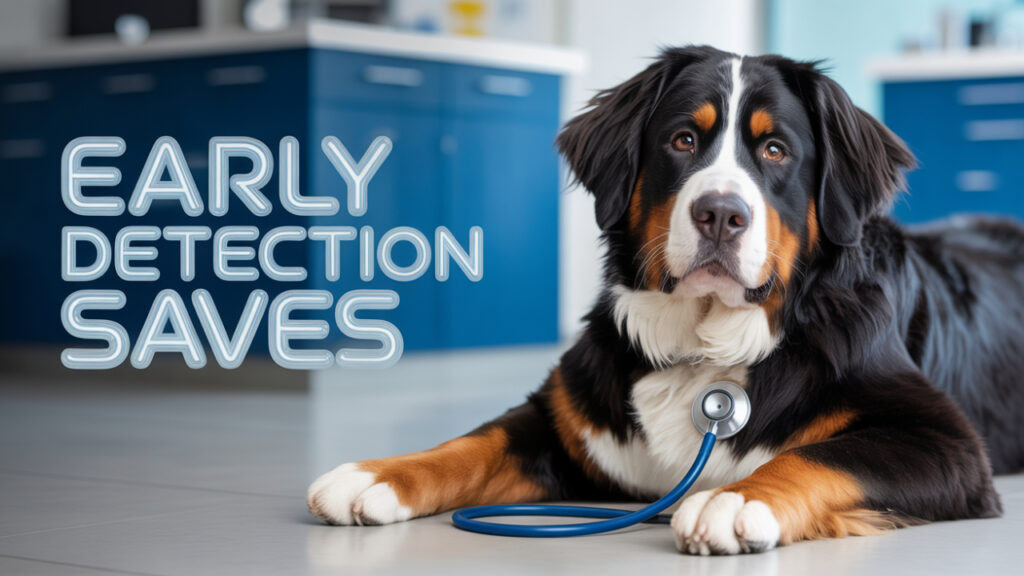
Health problems with Bernese Mountain Dog. These giant, sweet pooches are susceptible to particular diseases, such as hip and elbow dysplasia, some cancers, and heart diseases such as dilated cardiomyopathy. Knowing these health concerns is important for prospective owners and owners to provide balanced care. Regular vet visits, a balanced diet, and proper exercise can help combat some of these issues. Stay informed and be proactive, and you can help your Bernese Mountain Dog live a longer, healthier life together. Let’s explore these health issues and provide some actionable tips for care and prevention.
The Bernese Mountain Dog Health Profile

Bernese Mountain Dogs have a gentle disposition and stunning look. They’re prone to certain health problems, many of which are related to their genetics and breed-specific characteristics. Being aware of these issues is important for owners to encourage improved health and lifespan.
1. Skeletal and Joint Conditions
Bernese Mountain Dogs are particularly susceptible to hip dysplasia. This can cause pain, limping and reluctance to rise. Elbow dysplasia is common, especially in large breed dogs, and it too can limit their activities. It’s important to keep them at a healthy weight since extra pounds will put additional strain on their joints. Owners should be alert for symptoms such as limping or hesitancy to exercise, which could be indicative of skeletal disorders.
2. Prevalent Cancers
Histiocytic sarcoma is a prevalent cancer in this breed, frequently impacting dogs within the age range of 3 to 12 months. This aggressive form of cancer highlights the role of genetics in the breed’s health. Symptoms can manifest as strange lumps or behavioral shifts, which can be subtle initially. Dr. Rubin says that routine vet checkups are crucial to detect and treat cancer early.
3. Acute Gastric Emergencies
Bernese Mountain Dogs are especially susceptible to bloat or gastric torsion, which can come on abruptly. Signs are agitation, abdominal distension, and fast breathing. Feeding smaller meals spread out over the course of the day can help reduce this risk. If bloat is suspected, immediate veterinary care is crucial as it can be fatal.
4. Systemic and Organ Diseases
These pups are prone to systemic diseases, such as issues with their organs including hypothyroidism. Symptoms can be lethargy and weight variations, indicating possible organ malfunction. Routine vet trips are critical for keeping an eye on these ailments, making sure they’re treated early.
5. Hereditary Blood Disorders
Bernese Mountain Dogs can experience inherited blood diseases, such as anemia. If symptoms like fatigue and pale gums are present, immediate veterinary attention is warranted. When it comes to blood screening, genetic screening can help catch potential issues before they become severe.
6. Common Eye Ailments
Eye conditions, including cataracts and progressive retinal atrophy, are prevalent in this breed. A routine visit to a veterinary ophthalmologist can help with early detection. Owners need to be alert for symptoms such as squinting or excessive tearing, as these may signal underlying hereditary issues.
Recognizing Early Warning Signs

Recognizing Early Warning Signs Bernese Mountain Dogs Being aware of early warning signs can help pet owners detect health issues before they become serious. Unexplained behavior or physical changes can be an early warning sign.
Learning to recognize these changes is crucial. Pet owners need to be mindful of any changes in their dog’s behavior, like lethargy, withdrawing from play, or unexplained aggression. For example, if an otherwise outgoing dog suddenly starts hiding or shows less enthusiasm for walks, it could indicate it is experiencing soreness.
Physical symptoms are just as critical to recognize. Appetite, energy, and coat quality can be early warning signs. If your Bernese Mountain Dog suddenly loses its appetite or seems to drink more than usual, these can indicate things like kidney disease or diabetes. A dull or patchy coat can indicate nutritional deficiencies or skin issues.
Maintaining a health diary can be incredibly helpful in monitoring these shifts. By keeping track of daily behaviors, appetite, and any odd signs, owners can present their vet with detailed information during checkups. This proactive approach may result in earlier diagnosis and treatment, enhancing the dog’s quality of life.
Talking to vets is key. If an owner notices symptoms like limping, difficulty getting up or playing or running, it is imperative that these be discussed with a vet. For example, hip dysplasia symptoms can consist of hind leg lameness or trouble going up stairs. Signs of epilepsy, like dropping to the floor or twitching, should be tended to immediately by a vet.
Annual checkups should not be overlooked, as they are instrumental in recognizing the early warning signs. Routine visits help you track any potential issues and provide preventive care.
The Role of Proactive Veterinary Care
Proactive veterinary care for Bernese Mountain Dogs. This breed is prone to a number of health concerns that can be life threatening. Routine vet check-ups enable prompt diagnosis and treatment for issues such as histiocytic sarcoma and osteochondritis dissecans (OCD). With such routine care, pet owners can stretch every precious moment with these valued friends.
Genetic Screening
- Identifies hereditary conditions: Helps detect genetic disorders early.
- Informed breeding choices: Breeders can avoid passing on diseases.
- Healthier puppies: Informed breeding leads to stronger, healthier litters.
- Increased genetic diversity: Encourages broader gene pools and improves overall breed health.
Genetic screening is key in preserving the breed’s health. Responsible breeders use genetics proactively to make decisions that result in healthier puppies. Future owners should seek out breeders that are doing genetic health testing. By emphasizing genetic diversity, the breed’s overall robustness can be improved, reducing the likelihood of inherited health problems.
Routine Checkups
During a routine veterinary visit, expect the following:
- Comprehensive health assessment: Includes weight check, dental examination and skin evaluation.
- Vaccinations: Ensures protection against common diseases.
- Discussion of behavioral changes: Important for identifying underlying health issues.
It’s been invaluable to have a history for my dogs on hand. Routine exams focus not only on diagnosing and treating possible health issues, but on preventative care, which can help your pet live longer.
Diagnostic Imaging
X-rays and other diagnostic tools are a godsend in identifying issues. They offer a window into joint health and can detect tumors while they are still controllable. I think for pet owners, it is important to think of imaging as part of an overall work-up, particularly as technology has progressed to provide options specifically geared towards large breeds such as the Bernese.
Blood Panels
Blood panels are important in monitoring a Bernese Mountain Dog’s overall health. They can disclose critical markers of organ function and other health indicators. Blood tests need to be incorporated into a proactive health plan, and it’s important to work with your vet to interpret the results so you can take the correct action.
How Lifestyle Impacts Longevity
Bernese Mountain Dog owners’ lifestyles are key to their dogs’ longevity. A lifestyle impacts longevity. Nutrition, exercise, and environment all play a sizable role in the well-being of these large breed dogs.
Strategic Nutrition
Best Dog Food for Bernese Mountain Dogs – When it comes to Bernese Mountain Dogs, their size and unique needs require specific nutritional profiles, so high quality dog food is a must. A high-protein, high-good fat diet preserves muscle mass and energy, which is essential for their active lives. Good nutrition is critical in avoiding obesity, which can grossly overweight your dog’s joints and cause a host of other problems.
Working with a vet is important to ensure that you’re meeting dietary needs at different ages and life stages. Puppies need a nutrient-dense diet. Older dogs may need lighter meals. Restricting overindulgence in treats maintains this balance and keeps these dogs fit and energetic.
Appropriate Exercise
Just like with humans, regular exercise is required to prevent weight and joint problems in Bernese Mountain Dogs. Brisk walks, hikes, or swimming are appropriate given their vigorous quality.
Providing both physical and mental exercise, such as puzzle toys or training sessions, stimulates them mentally and physically. It is important to modify exercise as you grow older or become less healthy, keeping it active but not exhausting.
Weight Management
Keeping them at a healthy weight is important to prevent obesity-related health concerns. Regular weigh-ins and body condition score monitoring can help owners stay on top of their dog’s health.
Don’t overlook portion control, since it’s easy to overfeed, which promotes weight gain. Exercise helps you achieve and maintain an optimal weight as well, keeping these dogs spritely and healthy.
Environmental Factors
- Shelter: Provide adequate shelter in cold climates.
- Comfort: Ensure a comfortable sleeping area.
- Safety: Create a safe environment to prevent accidents.
- Stimulation: Offer toys and interactive play for mental engagement.
- Socialization: Encourage interactions with other dogs and people.
The Bernese Mountain Dogs’ thick coats demand special consideration in colder climates. They need an engaging environment to flourish. Socialization helps keep their spirits up, which is good for their health.
The Emotional Toll of a Short Lifespan
Bernese Mountain Dogs are known for their calm demeanor and devotion, but their 6 to 8 year lifespan can be emotionally devastating for their owners. This abbreviated life tends to bring about anticipatory grief, with owners grieving in advance. There is a strong connection with these dogs, and the awareness of their short time ignites feelings of uneasiness and grief. We pet owners cannot stop thinking about our pet and whether they feel okay or not.
Dealing with the death of a dear pet is an individual experience. Denial, anger, bargaining, depression, and acceptance are the stages of grief. Owners can be overcome by grief and solitude after their pooch dies. Building a support network is essential, whether that means confiding in friends or seeking out pet loss groups. Others may memorialize their pet with photo albums or memorials to aid in healing. Knowing that it’s OK to hurt like hell can help you get through.
If you haven’t already, have those open discussions about end-of-life care and decision making. Don’t be afraid to talk to vets early about options, including palliative care and hospice. These conversations can alleviate the strain in challenging moments, enabling owners to make thoughtful decisions centered on their pet’s quality of life. Making time to talk about emotions with relatives can bring them closer together and help ensure they’re all aligned on care decisions.
Remembering and honoring a pet’s life can mitigate the sting of loss. Seeing a pet’s life as short carries an emotional toll. Sharing stories with others who understand can be balm. By centering their energy on the happiness the pet added to their life, owners are able to figure out how to channel that love into the next phase.
Advances in Canine Medicine
Thanks to recent developments in veterinary medicine, Bernese Mountain Dogs — a large breed with a high incidence of certain health problems — are now able to live longer, healthier lives. Breakthroughs in diagnostics, preventive care and treatments are revolutionizing our approach to dog health. These innovations encompass refined imaging technologies such as digital radiography and ultrasound, enabling vets to identify issues like hip dysplasia and heart ailments at early stages with greater precision. Early detection means timely interventions that can enhance these dogs’ lives.
There are cutting edge treatments for Bernese Mountain Dog’s common health issues. For example, regenerative medicine such as stem cell therapy is becoming popular in addressing joint problems and arthritis. This method leverages the body’s own regenerative potential to heal injured tissues, reducing discomfort and enhancing range of motion. New diets are targeting these nutritional deficits that set Bernese up for trouble. Specialized diets that contain omega-3 fatty acids, antioxidants, and supplements to support joints can combat the risk of obesity, skin allergies, and more.
Pet owners need to stay on top of new developments in dog medicine. Routine veterinary visits, along with being informed about the latest advances in research and treatments, allow owners to make research-based decisions about their dogs’ health. Veterinary journals, pet health websites, and support groups are examples of resources that can provide helpful information on recent developments. Talking to your vets about new therapies can augment a dog’s treatment plan.
This research is critical to improving life for all breeds, including Bernese Mountain Dogs. Research into genetic predispositions is searching for markers for common ailments that may lead to prevention or better treatment. Partnerships between veterinary schools, research organizations, and pet owners drive innovation, unlocking new treatments and improving care practices.
Conclusion
Learning about Bernese Mountain Dogs’ health issues allows owners to provide superior care. That knowledge of their particular health profile and early warning signs matters. Regular vet visits aid their health and a dog-friendly lifestyle can extend their lives. Understanding the effect of a shortened lifespan is important for owners. Recent veterinary medicine makes me hopeful.
These steps develop a closer relationship with your dog. Keep up to date and proactive for your pet’s health. Your care can result in more joyful, vital years together. Consult with your vet and get recommendations specific to your dog. Take care of them and cherish every moment.
Frequently Asked Questions
What health issues are common in Bernese Mountain Dogs?
Bernese Mountain Dogs do have some health issues, primarily hip dysplasia, elbow dysplasia, and some cancers. Semiannual vet visits will catch these issues early.
How can I recognize early warning signs of health issues?
Watch for early symptoms like lethargy, limpness, difficulty walking or unexplained weight loss. These are possible symptoms of health problems.
What role does proactive veterinary care play?
Proactive veterinary care, such as routine exams and immunizations, aids in early detection of health concerns. This can save your outcomes and help extend your dog’s life.
How does lifestyle impact the health of a Bernese Mountain Dog?
Good diet, exercise, and mental stimulation foster health. A balanced lifestyle helps avoid obesity and associated ill health.
What is the emotional toll of a Bernese Mountain Dog’s short lifespan?
Bernese Mountain Dogs don’t live as long, in the neighborhood of 7 to 10 years. This can be heartbreaking for owners, who sometimes go through the grieving process more often.
Are there advances in canine medicine for Bernese Mountain Dogs?
Yes, new developments in dog health care, like advanced surgery and genetic screening, provide more effective treatments and extend the well-being of Bernese Mountain Dogs.
How can I support my Bernese Mountain Dog’s health?
Feed a well-balanced diet, exercise regularly and have routine vet checkups. Mind enrichment, such as training and socialization, is important for their overall health.

Gary Richter
Pet Nutrition Research Specialist
Gary Richter is a pet nutrition researcher and animal science specialist with over 15 years of experience in comparative animal nutrition studies. As the lead research analyst at PetVerdict, Gary focuses on translating complex nutritional science into practical guidance for pet owners.
Academic Background: Graduate studies at Huazhong Agricultural University
View all research articles →