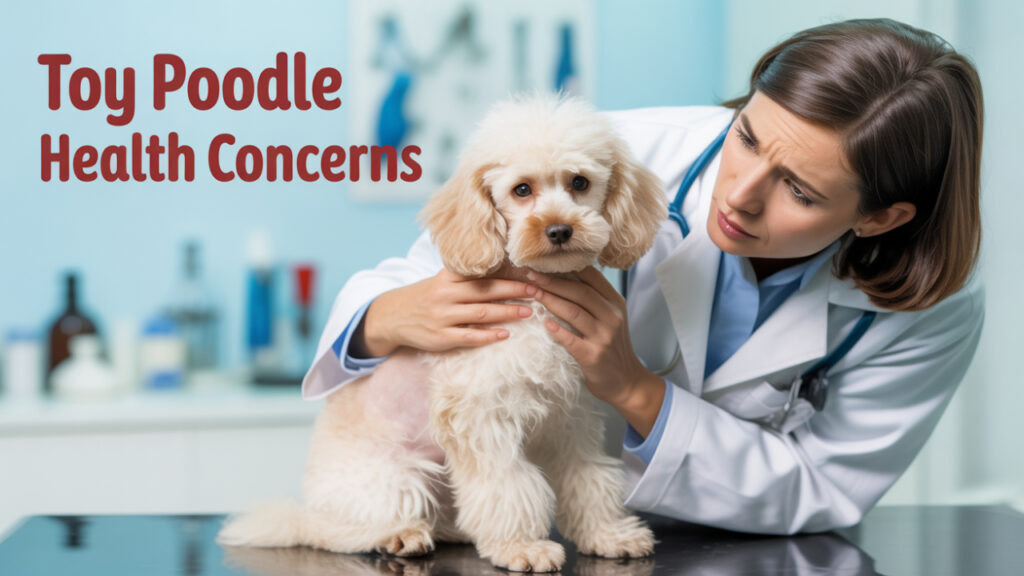
Health problems with toy poodles encompass a variety of conditions that can impact their health. Frequent troubles typically include dental disease, patellar luxation, and heart problems, which can occur due to their small stature and distinct genetics. Frequent vet visits can point out these problems before they become serious and in need of treatment. Good nutrition and exercise help. It is important for any prospective or current toy poodle owner to know about these potential health concerns.
Toy Poodle Health Vulnerabilities
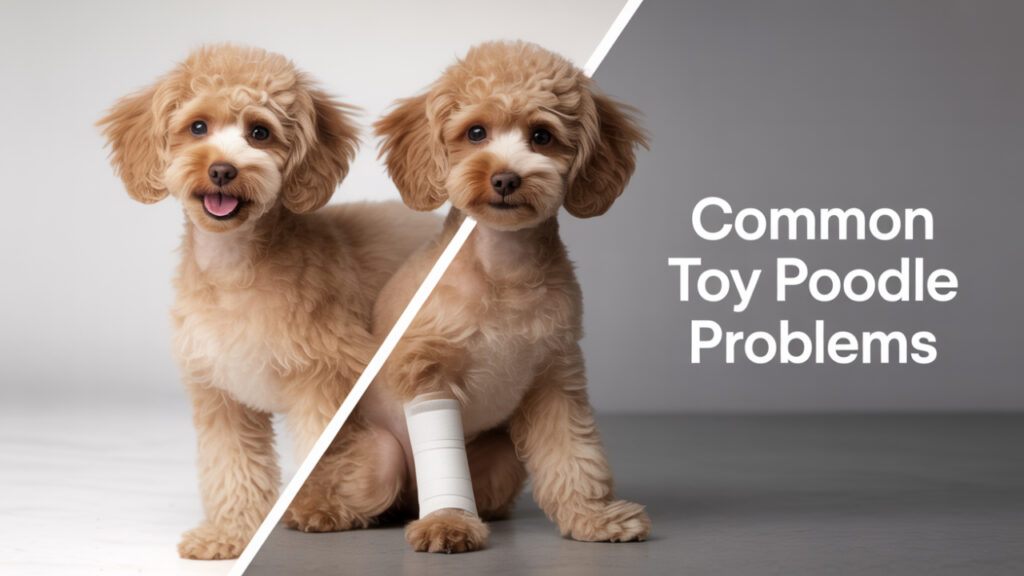
Toy Poodles have a reputation for being spirited and smart. They do have particular health susceptibilities. Being aware of these problems is key to keeping them healthy. In this section, we explore typical health issues, like skeletal, ocular, endocrine, neurological problems and the effects of dental disease.
1. Skeletal Issues
Toy Poodles are known for their patellar luxation (slipped kneecaps), which can be extremely painful to them. They might develop hip dysplasia, which is a genetic affliction. We are on the lookout for any indications of joint pain, like limping or hesitating to jump.
Preventive steps can go a long way in addressing these problems. Weight management is key to reducing strain on the joints. A vet’s professional examinations will catch any skeletal issues early.
2. Ocular Conditions
Eye problems represent another vulnerability among Toy Poodles. They’re vulnerable to PRA (Progressive Retinal Atrophy), which can cause blindness. Routine visits to the eye doctor are important to detect any problems early.
Watch for signs like watery eyes or squinting, which can be a symptom. By making your home safer, you decrease the likelihood of an eye injury, giving your pet the opportunity to grow and flourish without much risk.
3. Endocrine Disorders
Toy Poodles are prone to some endocrine diseases such as Cushing’s disease and hypothyroidism. Symptoms may include excessive thirst, significant appetite, and weight changes. If you think hormones are out of whack, your vet can test blood.
A balanced diet supports endocrine function. Routine check ups can keep issues from these disorders from getting complicated.
4. Neurological Problems
Toy Poodles can be prone to neurological problems like epilepsy and seizures. Monitoring your dog for odd behavior or blackouts is critical for early detection. If you notice any worrying symptoms, consult your vet immediately.
Recording any attacks can help your vet diagnose and create a treatment plan. Early detection goes a long way in increasing your dog’s quality of life.
5. Dental Disease
Dental health is crucial, as Toy Poodles have a tendency to develop periodontal disease. Get a daily tooth brushing routine going with the right little mouth appropriate tools. Dental chews and toys contribute to oral hygiene.
Regular professional cleanings with your vet keep it a priority and reduce risk. Unheeded dental care could actually lead to serious complications for overall health.
The Role of Genetics
The impact of genetics on toy poodle health. By knowing their inherited diseases, pet owners can better anticipate health challenges, extending the lifespan and quality of life for these companions. Investigating breed-specific issues helps owners anticipate health concerns that their poodle may face during its life. Responsible breeding minimizes genetic health risks.
Responsible Breeding
Selecting quality breeders is paramount to toy poodles’ health. Responsible breeders who test and focus on health will have healthier puppies. Don’t be afraid to ask breeders about health clearances for both parents. That’s to guarantee the bloodline is good, avoiding the dangers of genetic diseases. Backing breeders who are open about possible health issues in their lines promotes a conscientious breeding culture. Educating pet parents on the importance of choosing responsible breeders may result in a healthier breed.
Genetic Screening
Play the genetic screening tests well. Toy poodles are not too much genetically predisposed to health problems. By discussing the available tests with a veterinarian, owners can make an informed decision that best suits their dog. Use genetics to help create personalized health management plans, so you’re addressing potential issues before they come to the surface. The importance of genetic testing shouldn’t be underestimated. We’re constantly making new discoveries!
Inherited Traits
How genetics plays a part in your toy poodle’s health. Learning about typical inherited conditions in the breed is key to anticipating their requirement. It is essential to observe puppies closely for any indications of hereditary health issues as they develop, enabling prompt treatment if needed. Discussing genetic predispositions with other toy poodle enthusiasts can build a caring community and promote proactive care.
Proactive Health Management
Active health care is important in toy poodles due to their specific health requirements. By being proactive about your health, you can help make sure problems don’t get started in the first place. Such a plan should consist of routine veterinary visits, a healthy diet, exercise, weight management, and mental engagement.
Nutrition Plan
Designing an optimal meal plan for toy poodles is essential. Excellent small breed dog food should be the base. Avoiding overfeeding and monitoring portion sizes will help keep him in a healthy weight range. By adding in fresh fruit and vegetables as ‘treats’, it’s healthier and provides the diet with important nutrients.
| Dog Food Option | Nutritional Benefits |
|---|---|
| Premium Dry Kibble | High protein, controlled fat for weight management |
| Canned Wet Food | Increased moisture for hydration, appealing flavor |
| Freeze-Dried Raw Food | Nutrient-rich, mimics natural diet |
| Limited Ingredient Diet | Good for dogs with sensitivities |
Exercise Routine
Daily exercise is a must for toy poodles. Daily strolls and games of fetch keep your pup active and engaged, promoting cardiovascular health and muscle tone. Introducing puzzle toys and interactive games engages your toy poodle’s mind, enhancing their health. Modifying your exercise according to age and health means your dog stays fit without overdoing it.
Weight Control
Keep an eye on your toy poodle’s weight to avoid any health issues stemming from obesity. Portion control and avoiding too many treats will keep you fit. Regular exercise is a great aid for weight loss. Your veterinarian can help devise strategies that are personalized to your dog’s particular needs.
Mental Stimulation
Offering your mind exercise is equally as critical as exercising the body. Putting your toy poodle to work with obedience training is beneficial. Puzzle toys and interactive play will keep your dog challenged and engaged. Rotating toys prevents boredom. Interacting with other pets and people boosts mental and emotional health.
Essential Grooming Routines
Maintaining a regular grooming schedule for your toy poodle is crucial to their coat condition and general health. Proper grooming wards off numerous skin conditions, tangles, and other ailments that may occur in the absence of appropriate attention. It is important to educate yourself on your dog’s grooming requirements.
Coat Care
Brush your toy poodle’s coat at least a few times a week to avoid tangles and mats. Their curly coat is prone to tangling, which can cause discomfort and skin irritation. A slicker brush is a great tool for keeping your dog’s coat maintained. It removes loose hair and detangles knots without damaging the skin.
Specialized poodle shampoos can help maintain coat health and shine. Opt for products that are mild and chemical-free. Be sure to dry your dog completely after he enjoys a dip in the water or a bath.
Keep an eye on your dog’s skin for any irritations or potential allergic reactions, such as redness or frequent scratching. If you observe anything irregular, consult your vet immediately.
Ear Health
Inspect your toy poodle’s ears once a week for wax accumulation or infection. Getting the ears clean is important to avoid anything worse. Treat with a vet-recommended ear cleaner, gently cleaning. Do not use cotton swabs, as they can push debris further in.
Be aware of any indications of uneasiness, like your dog vigorously shaking their head or pawing at their ears. These activities could signal an infection or irritation that needs veterinary care. If recurrent ear issues occur, be sure to make a vet appointment for a thorough check.
Eye Maintenance
Make it a habit to check your toy poodle’s eyes for redness, discharge, or any cloudiness. These symptoms can be a sign of underlying health problems. Maintaining the area around their eyes is key, so simply wipe away tear stains with a damp cloth.
If you observe any changes in your dog’s vision or eye health, see your vet immediately. Safeguarding their eyes while playing or engaging in outdoor activities is just as important because injuries can result in severe complications.
Nail Trimming
Frequent nail trimming is important to avoid overgrown nails and pain for your toy poodle. Grab some nail clippers for small breeds. Cut nails every few weeks or as necessary based on their activity level.
As you trim, check the nail bed for infections or wounds. To streamline, write out a nail trimming checklist. This will help make you and your dog comfortable with grooming.
Veterinary Partnership
As such, a good veterinary partnership is critical for toy poodles. Routine communication and check-ups can help in early detection of health issues, ensuring your pet gets timely care. Building this relationship creates trust, which is key when you talk about your dog’s health and bumps in the road.
Regular Check-ups
Regular veterinarian visits are important in maintaining your toy poodle’s health. These visits provide an opportunity to talk about any behavior or health issues that might have popped up since the previous appointment. It’s a chance for your vet to conduct crucial examinations, like weight and dental checks.
Maintaining a comprehensive vaccination and treatment record can assist you in remaining organized and informed. One thing many pet owners find helpful is to keep a health diary with vet dates and notes. Let’s challenge our fellow pet parents to be proactive and schedule regular vet visits, fostering a nation of responsible dog owners so that no dog goes without the care it deserves.
Vaccination Schedule
Adhering to your vet’s vaccination schedule is crucial to your toy poodle’s health. Vaccinations prevent common ailments like parvo, distemper, and rabies. Below is a sample vaccination schedule:
| Vaccine | Age for Initial Dose | Booster Frequency |
|---|---|---|
| Distemper | 6-8 weeks | Every 3 years |
| Parvovirus | 6-8 weeks | Every 3 years |
| Rabies | 12-16 weeks | Every 1-3 years |
| Bordetella (Kennel Cough) | 12 weeks | Annually |
Keeping vaccination records current is important, particularly if you intend to travel or board your pet. Talking through any vaccine concerns with your vet can help you develop a schedule that best suits your dog’s individual needs.
Parasite Prevention
A parasite prevention plan is an important part of your toy poodle’s health. Fleas, ticks and worms are very dangerous, so protect your dog with vet-advised products. Checking your dog often for symptoms of infestation, such as excessive scratching or behavioral changes, can help identify problems before they escalate.
You can use your partnership to anticipate seasonal parasite risks, like fleas in the warmer months, and modify your prevention tactics. Being up to date on the best pet parasite control will help your dog live his best life.
Emergency Plan
Developing an emergency plan is essential for all pet owners. This plan would ideally have contact info for your vet and local pet hospitals. Having a pet first aid kit prepared with essential supplies can make a difference in a crisis.
Go over emergency procedures, including evacuation routes, with your toy poodle, so that you’re prepared. Knowing your local resources for pet emergencies will make you much more prepared and provide peace of mind.
Recognizing Subtle Symptoms
Knowing subtle symptoms in your toy poodle can be important. These little indications are frequently simple to disregard. They can signal a bigger issue.
Behavioral, appetite, or energy-level changes are among the earliest signs that there’s an issue. Take, for example, your typically rambunctious poodle who suddenly exhibits little enthusiasm for playtime or walks. A loss of appetite or abnormal eating behavior might indicate tooth pain or digestive distress. Tracking these changes intently is important, as they can help you identify health concerns before they get too severe.
Uncommon somatic symptoms warrant consideration too. Be vigilant for lumps, bumps, or changes in the texture of your poodle’s skin. For instance, if you detect a new lump or change on an existing one, it’s something you should discuss with your vet. Skin issues, like extreme itching or redness, can be signs of allergies or infections needing treatment. Recording these shifts can benefit your vet, as it creates a clearer picture of your dog’s condition.
Listen to your body — if you see worrying symptoms, respond quickly! Visit your vet immediately, as early intervention can be key to successful treatment. For example, if your poodle appears listless and won’t take food for a day or two, consulting the vet is prudent. The vet can do exams or tests to find the cause and suggest treatment.
By understanding these subtle signs and acting, you can help your toy poodle be healthier. Routine exams and noticing changes in your dog’s everyday habits will help keep them healthy.
Conclusion
Toy Poodles share happiness, but they have health problems too. Knowing their Achilles heel assists owners in getting ready. Genetics are a major factor in their health, so family health history counts. As they say, an ounce of prevention is worth a pound of cure. Consistent grooming maintains their coat in good condition and facilitates skin inspections.
Creating an impenetrable health defense with your vet! Knowing subtle symptoms enables you to take swift action for better results. By keeping informed and involved, owners can assist their Toy Poodle’s health and happiness. Take these steps to welcome a long, healthy life for your furry companion. Focus on their health today for a better tomorrow.
Frequently Asked Questions
What are common health issues in Toy Poodles?
Toy Poodles can have health issues like hip dysplasia, eye disorders, and skin problems. Regular check-ups can help catch these problems early.
How does genetics affect Toy Poodle health?
Toy Poodle health is largely a matter of genetics. Breeding can affect the risk of inherited disorders.
What can I do for proactive health management?
Actively managing their health with routine vet visits, a good diet, and regular exercise is important. Keeping a timetable keeps your dog healthy.
Why is grooming essential for Toy Poodles?
Regular grooming is essential to keep their coat free from mats and to avoid skin problems. Routine grooming gives you the opportunity to look for any abnormal lumps or health issues.
How can I work with my veterinarian?
Establishing a good rapport with your vet is crucial. Discuss your health concerns and get advice on caring for your Toy Poodle.
What subtle symptoms should I look for in my Toy Poodle?
Keep an eye out for subtle indicators such as alterations in appetite, energy, or behavior. The sooner you know, the better the treatments.
How often should Toy Poodles visit the vet?
They should see the vet at least annually. Older dogs might need more frequent checkups.

Gary Richter
Pet Nutrition Research Specialist
Gary Richter is a pet nutrition researcher and animal science specialist with over 15 years of experience in comparative animal nutrition studies. As the lead research analyst at PetVerdict, Gary focuses on translating complex nutritional science into practical guidance for pet owners.
Academic Background: Graduate studies at Huazhong Agricultural University
View all research articles →